Home for the Tomoko
A journey to Bebea, where history, culture, and community come together to keep the story of Tomoko alive.
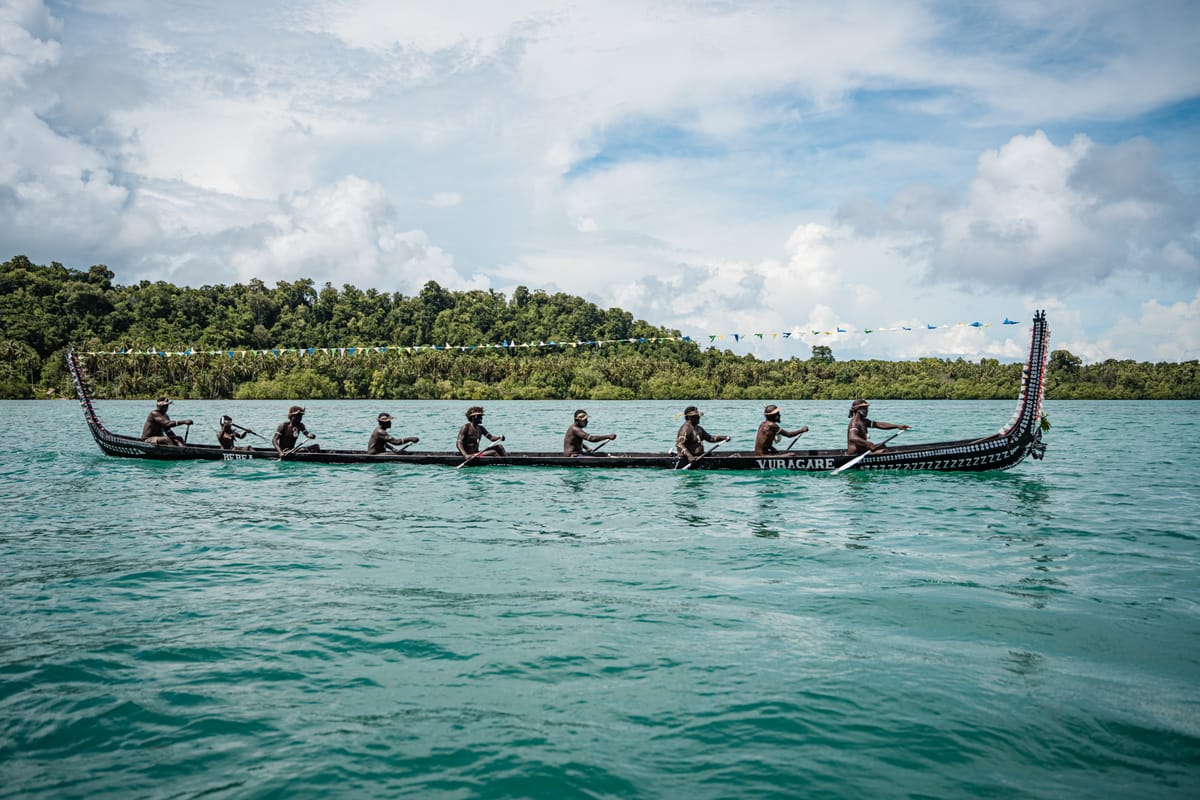
As the boat glided across the calm waters, I sat still and took in the beautiful morning scenery around me in this part of the majestic Roviana Lagoon. We had just completed a gruelling three-day stakeholder meeting at Ringgi, Kolombangara Island, and the morning boat ride felt very refreshing. Today, we are going to meet the community at Bebea. Bebea is an Island approximately 6 km southeast of the heart of Munda. The community is receiving a short-term grant from the Islands Knowledge Institute (IKI) to construct a Tomoko house. Our short visit today is to go and see the proposed site for the house.
Sitting in the boat, I felt the cold morning wind on my face, and I began to let my thoughts wander freely to the great photos I would take on the white-sand beaches of Bebea for my social media platforms. My thoughts were interrupted by the sudden slowing down of the 60-horsepower Yamaha engine, as one of the crew shouted to the driver to slow down, telling him they (those from Bebea) would meet us around one of the nearby Islands. I looked at my colleague in front, wondering, how are they supposed to meet us in the water? Then, the crew shouted from the front of the boat, “Look, they are coming”! I sprang up on my two feet to look, and lo, Tomoko was coming towards us! At this point, the boat came to a stop.
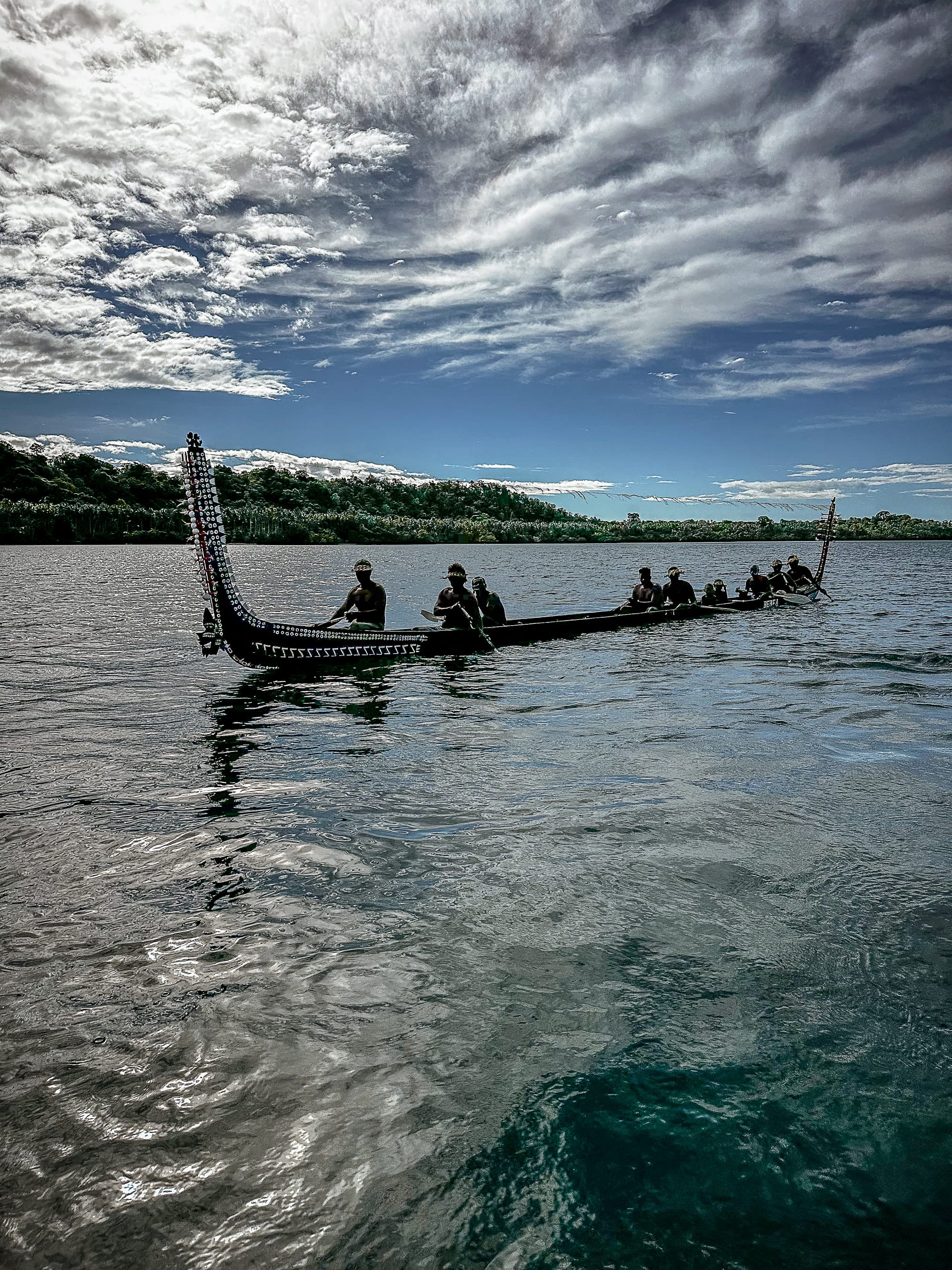
Fig.2. Tomoko carrying men from Bebea Island who came out to meet us and paddle us ashore. IKI / Gumese Puisasa
Going back some 300 years, the sight of the Tomoko would have sent chilling fears down anybody’s spine. In those days, Tomoko was used as a war canoe to carry warriors from Island to Island on head-hunting raids. Then, the Roviana Lagoon was home to some, if not the fiercest, head-hunters across the Solomon Islands. They not only took human heads as war trophies, but they were also cannibals (as we were later told by them) too.
As the Tomoko drew closer, we could hear chanting; I can only imagine what this chant would have meant back in the head-hunting days. At a given command, the men put their paddles on the reverse, and the canoe came to an abrupt stop. Then, my colleague and I were asked to get into the canoe. Once we sat down, paddles were given to us, and we joined the men to paddle back to the shore. As I strained every inch of my muscles to keep up with the rhythm of the men paddling, I tried to imagine what must have gone through the minds of the head hunters as they went on raids from Island to Island.
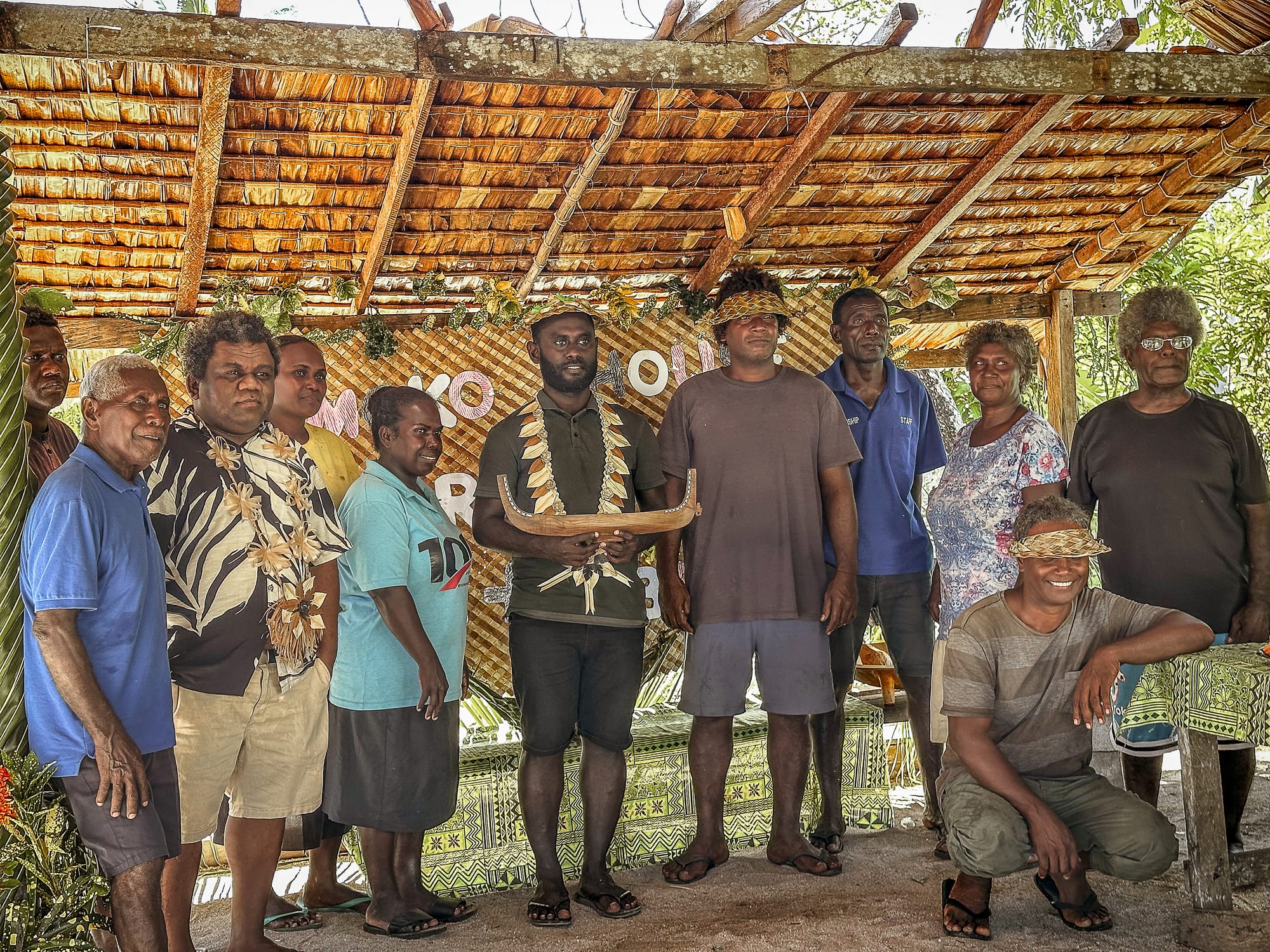
Fig. 3. Sealing the relationship with a gift of the Tomoko model, alongside the Bebea Tomoko Committee and the Chief, pictured far left in the blue shirt. IKI / Gumese Puisasa.
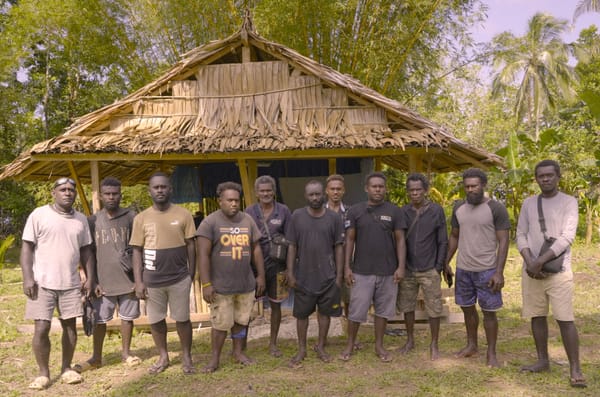
Arriving on the shore, the Chief met us on the beach and welcomed us to his community. Women with hats and garlands, woven from coconut and pandanus leaves, came and placed them around our necks and on our heads. Then, we were led to a small house beside their church for a short official program. A spokesperson representing the chief and the Tomoko Chairman gave short speeches, officially welcoming us, expressing their gratitude for the partnership between IKI and the Bebea community, and thanking IKI for supporting them with the project, which would help them preserve their culture and stories regarding Tomoko. John Maefasimaoma, IKI Program Manager, then responded with a short remark on behalf of IKI. The community then presented us with a gift – a model of the Tomoko, and one of the youths, in brief, told us the story of how the first Tomoko was made. Afterward, we shared a delicious mid-morning breakfast; the food was just perfect! Served on plates woven from coconut leaves.
After the program, they took us across to the site proposed for the Tomoko house. This was the original site where the first Tomoko was built. Tiola’s place (a small hill) is just nearby the site. Tiola was the original builder, but I’ll save his story for the next time.
As the boat approached the shore, I told myself, man! You are about to set foot on a piece of history! I have heard stories about the great Tomoko, and today I will walk in the space where once great warriors walked, a place where they first launched the Tomoko! All the great stories about the Tomoko started in this place; I could not fully describe the feeling I felt as I stood on the shore. We were then shown around the site; it was amazing! The site could accommodate up to 3 – 4 Tomoko houses.
They told us that they have desired to build a home for the Tomoko; it would also serve as a place of learning where the art of building the canoe will be taught to the next generation to keep the history of Tomoko alive.
As we left Bebea for Munda to catch our flight back to Honiara, I reflected on the events that transpired just a short while ago – the morning ride on the Tomoko! It is a testament to the value of relationships with the community at Bebea.
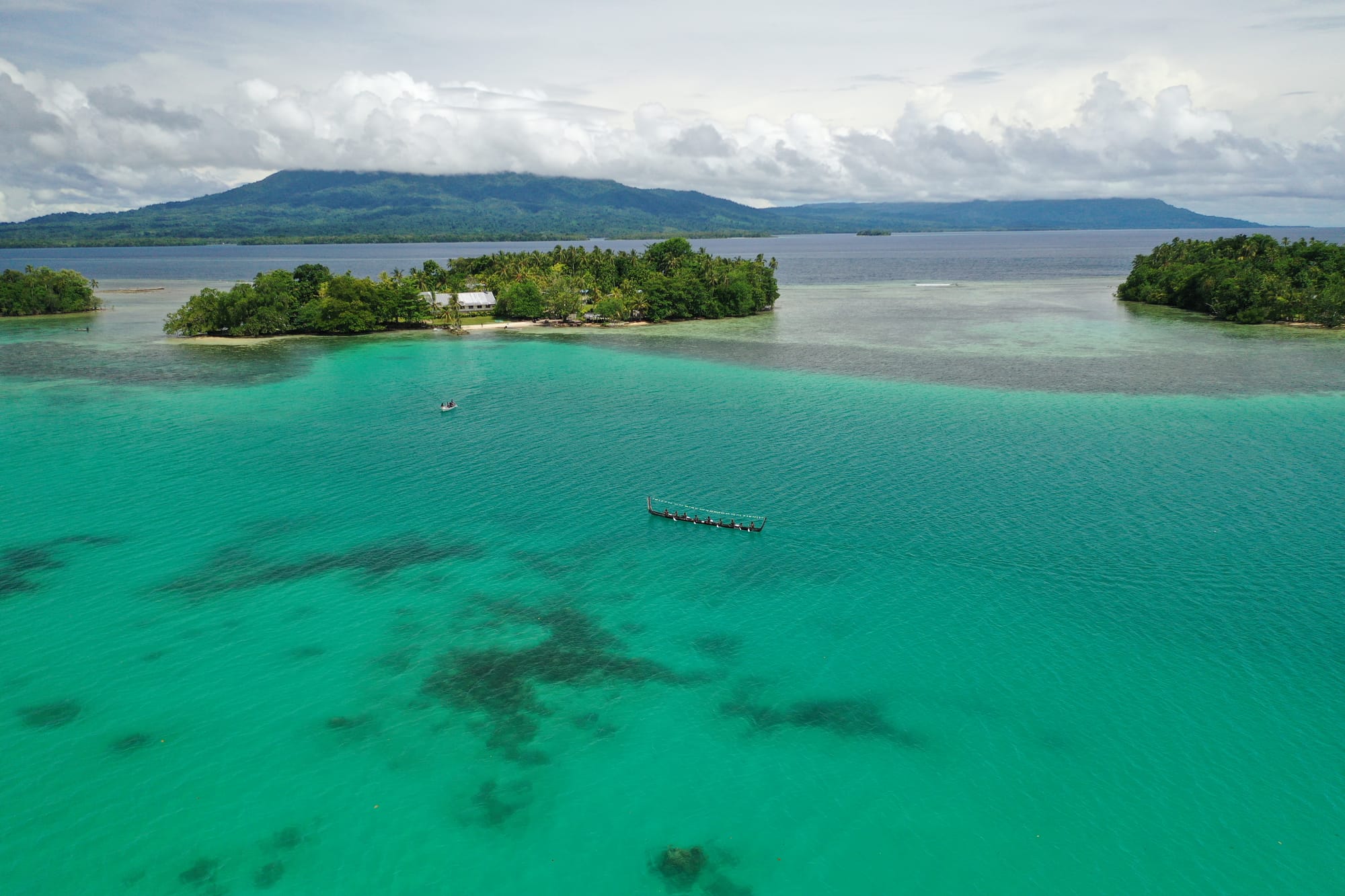
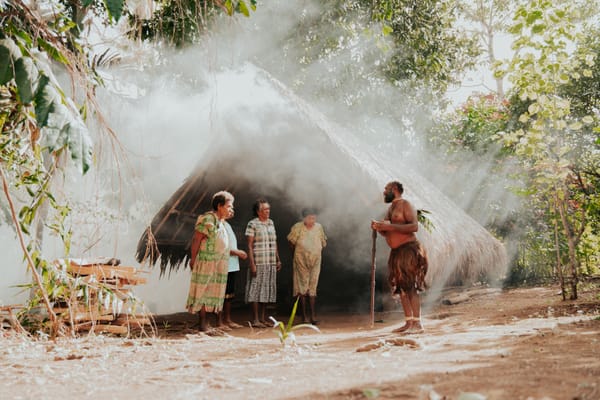
Fig. 4. Bebea Village, home to one of the traditional Tomoko canoes in Western Province, overlooking the beautiful Roviana Lagoon. IKI / Junior Pikatcha