Elders from three tribal groups from Kolombangara Call for Greater Control Over Indigenous Data
IKI Press Release
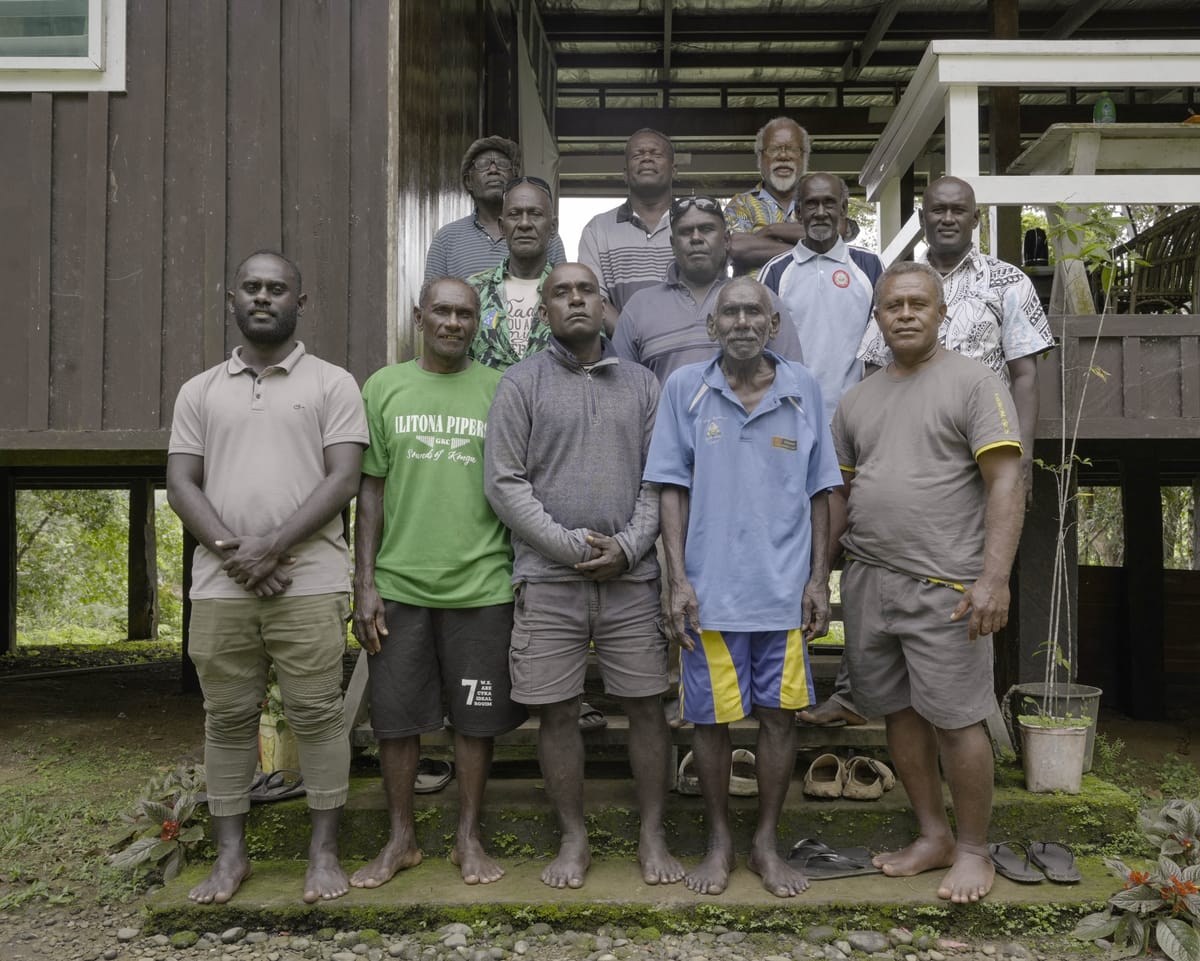
Elders, chiefs and community leaders from three tribal groups in Kolombangara Island are calling for stronger community control over indigenous data.
The call was made during a four-day Tok Stori on Indigenous Data Governance held at Imbu Rano Mountain Lodge in Ringgi, Kolombangara, Western Province, from Tuesday 25 to Friday 28 August 2026.
The Tok Stori, organized by IKI in collaboration with KIBCA, was facilitated by IKI’s REMOTO lead, Gumese Puisasa. The event brought together 10 representatives from three tribal groups of Kolombangara.
The discussion focused on Indigenous Data Governance. A component of the traditional governance system that covers; traditional knowledge, cultural identity, customary boundaries, conservation mapping etc.
Mr. Puisasa said the purpose of the Tok Stori is to listen, learn and understand what IDG practices were like before the introduction of modern concepts of data management and practices. This understanding would ensure that indigenous data, information, knowledge, and stories – the things that are important and permanent to indigenous people are properly managed through good data governance.
“We are not here to teach communities that we know everything. We are here to listen and learn from the people who hold the knowledge,” he said.
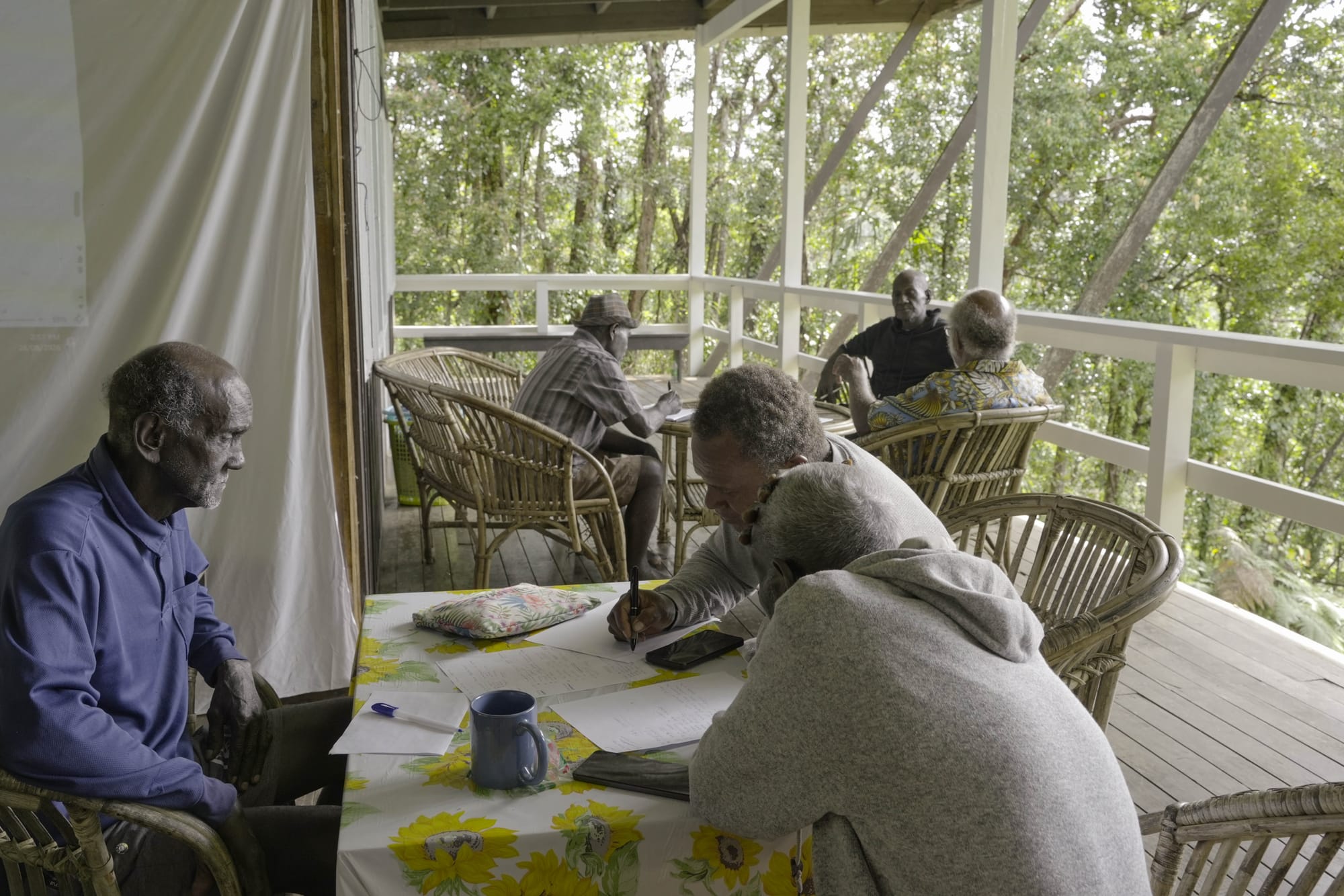
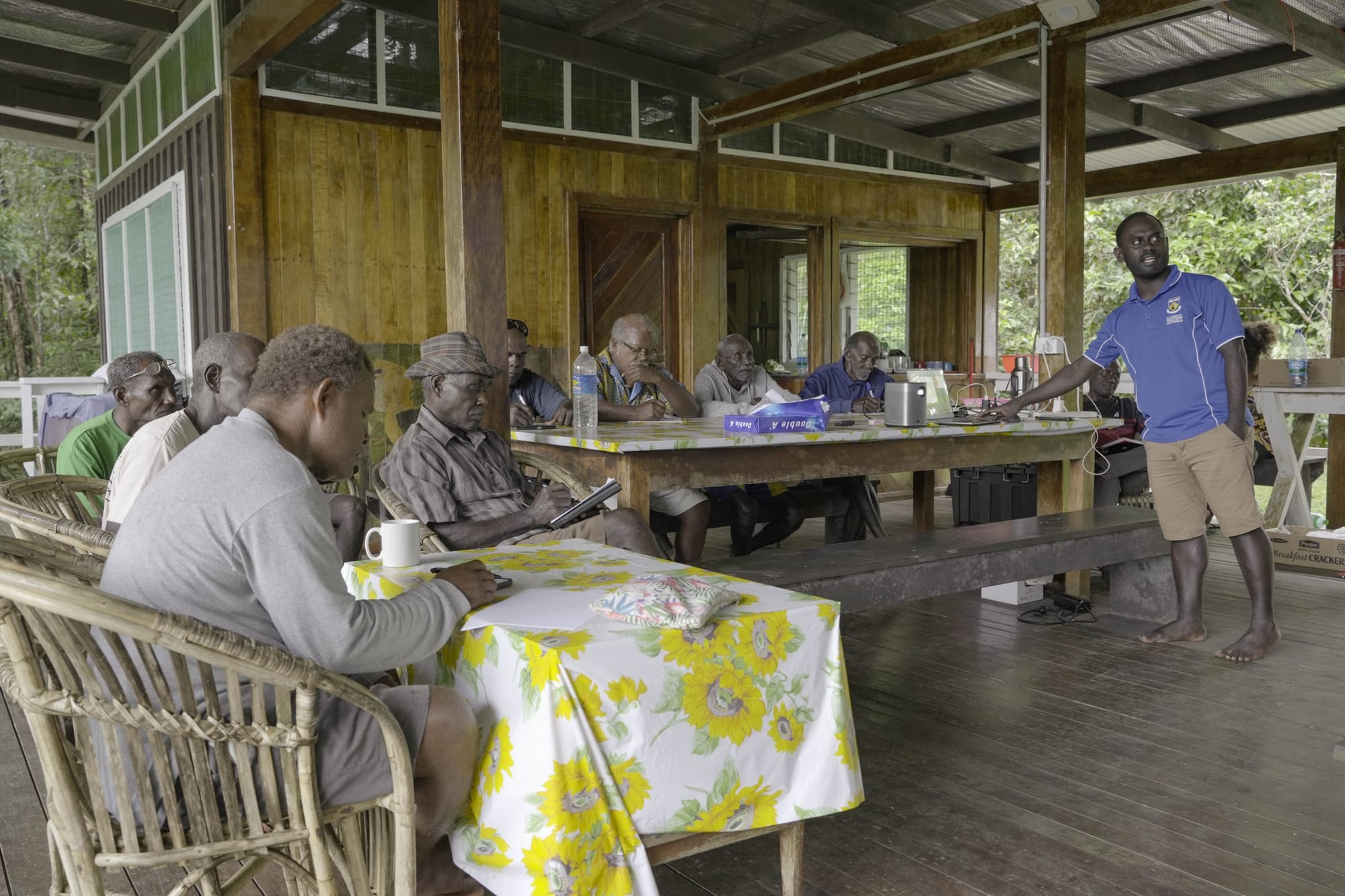
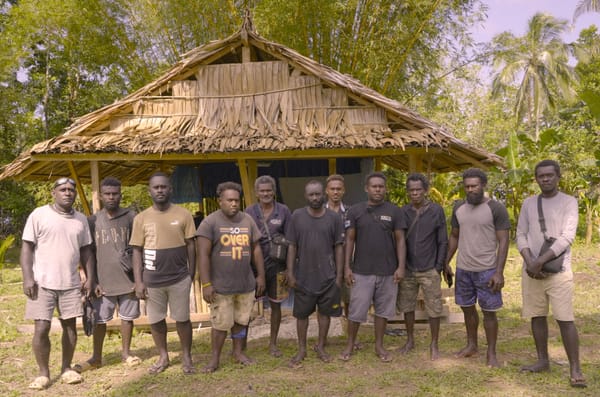
Elders, chiefs and community leaders that participated in the Tok Stori at Imbu Rano Mountain Lodge, Kolombangara. IKI/Daniel Kakadi
One of the major issues discussed was what happens to information after it is collected from communities. One of the concerns raised during the discussion from the participants was that a lot of times when collecting of indigenous related data, they do not know where their data ends up, how it is being used, and most importantly, do they still retain rights to the data collected from them.
“Whenever we collect data, information, knowledge, and stories from indigenous people, there must be protocols in place that guide our work with them. The people have rights over their data and information, even to where the data eventually ends up,” Puisasa added.
The workshop highlighted that Indigenous data is not limited to names, statistics or digital information. It can include traditional boundaries, taboo sites, old village sites, sacred places, plants, trees, rocks, family connections, cultural practices and stories passed down through generations.
Participants said some of this information may be restricted under customary rules and should not automatically be made public without first seeking their consent.
Participants also raised concerns about the loss of traditional knowledge as elders pass away and younger generations become increasingly disconnected from their ancestral lands.
One participant noted that a younger person may live on the island but still do not know the traditional boundaries or locations of important cultural sites.
“If nothing is done, in the next 20 years people may not know these places anymore,” the participant said.
The group said biocultural mapping can help document important places and knowledge while also giving younger generations an opportunity to learn about their cultural heritage.
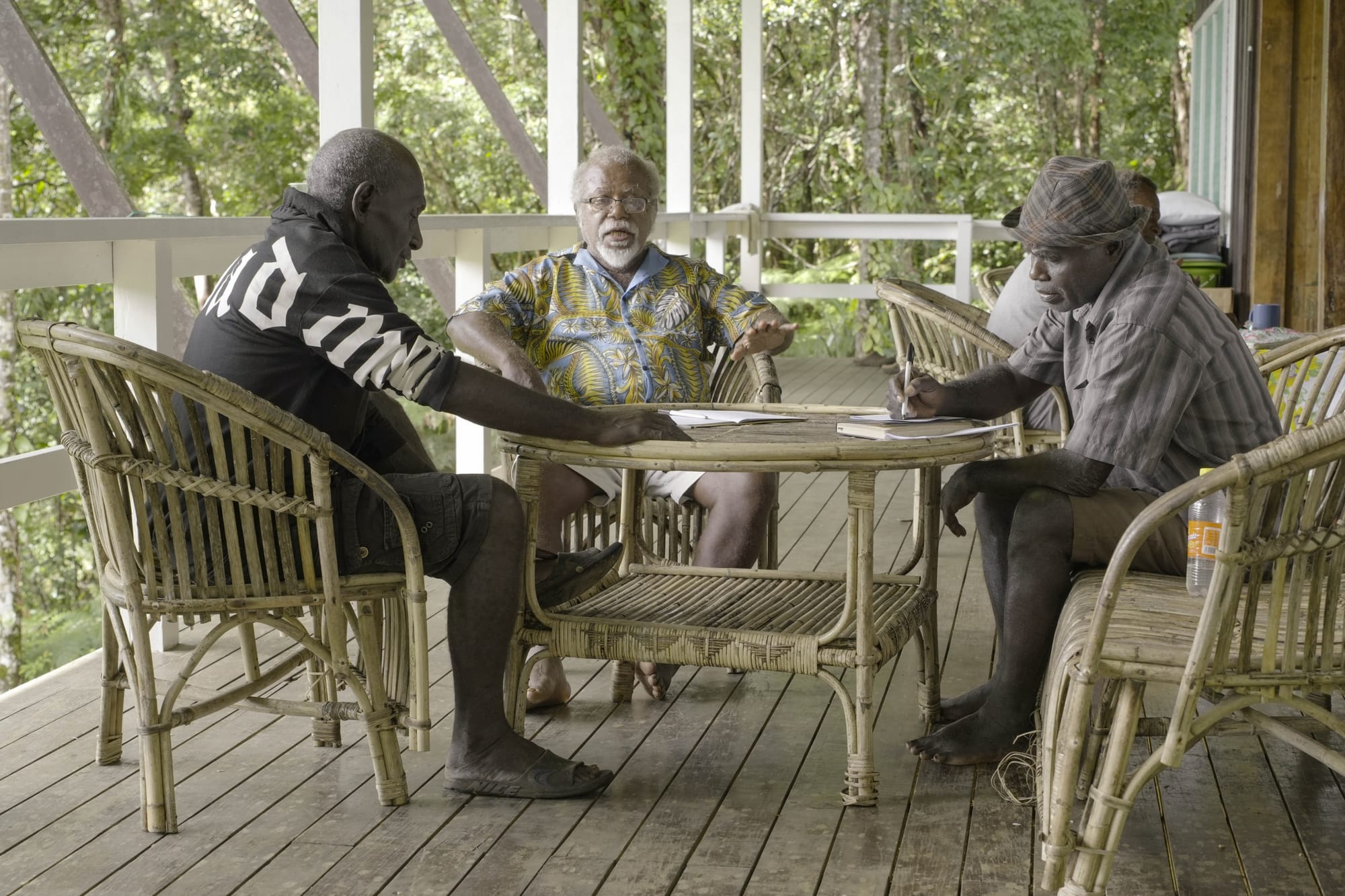
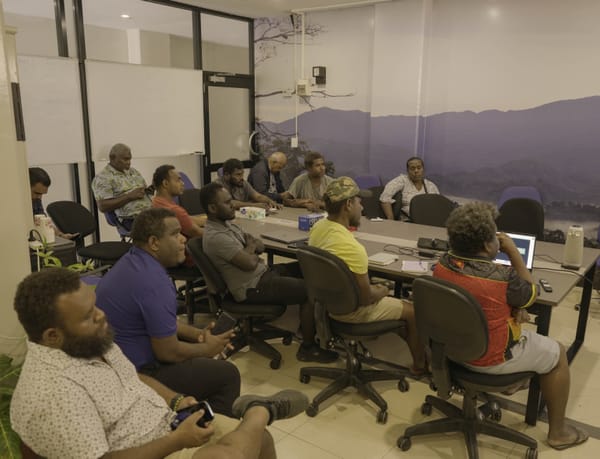
participants share perspectives on traditional governance, cultural identity, land and knowledge. IKI/Daniel Kakadi
However, participants stressed that biocultural mapping must be done together with elders and knowledge holders, and with local communities deciding on important matters such as data access, use, storage and sharing.
The Tok Stori also explored Indigenous Constitutionalism, a traditional governance system that existed long before the modern state and its formal institutions.
Participants discussed how chiefs, elders, families and tribal leaders traditionally made decisions, managed land and resources, maintained relationships and guided community life.
One participant said traditional governance should not be dismissed simply because it was not written down like modern constitutions.
“We already had systems of governance before the modern constitution. Whether we knew it or not, we were already practicing these systems,” the participant said.
Currently, IKI’s focus is on training communities on the use of digital tools for biocultural mapping, collection of indigenous data, knowledge and information relevant to conservation.
Mr. Puisasa further highlighted how community-approved information can contribute to monitoring conservation areas and identifying threats such as logging and mining.
However, participants emphasized that the utilization of indigenous data in conservation initiatives must still respect customary ownership and community authority.
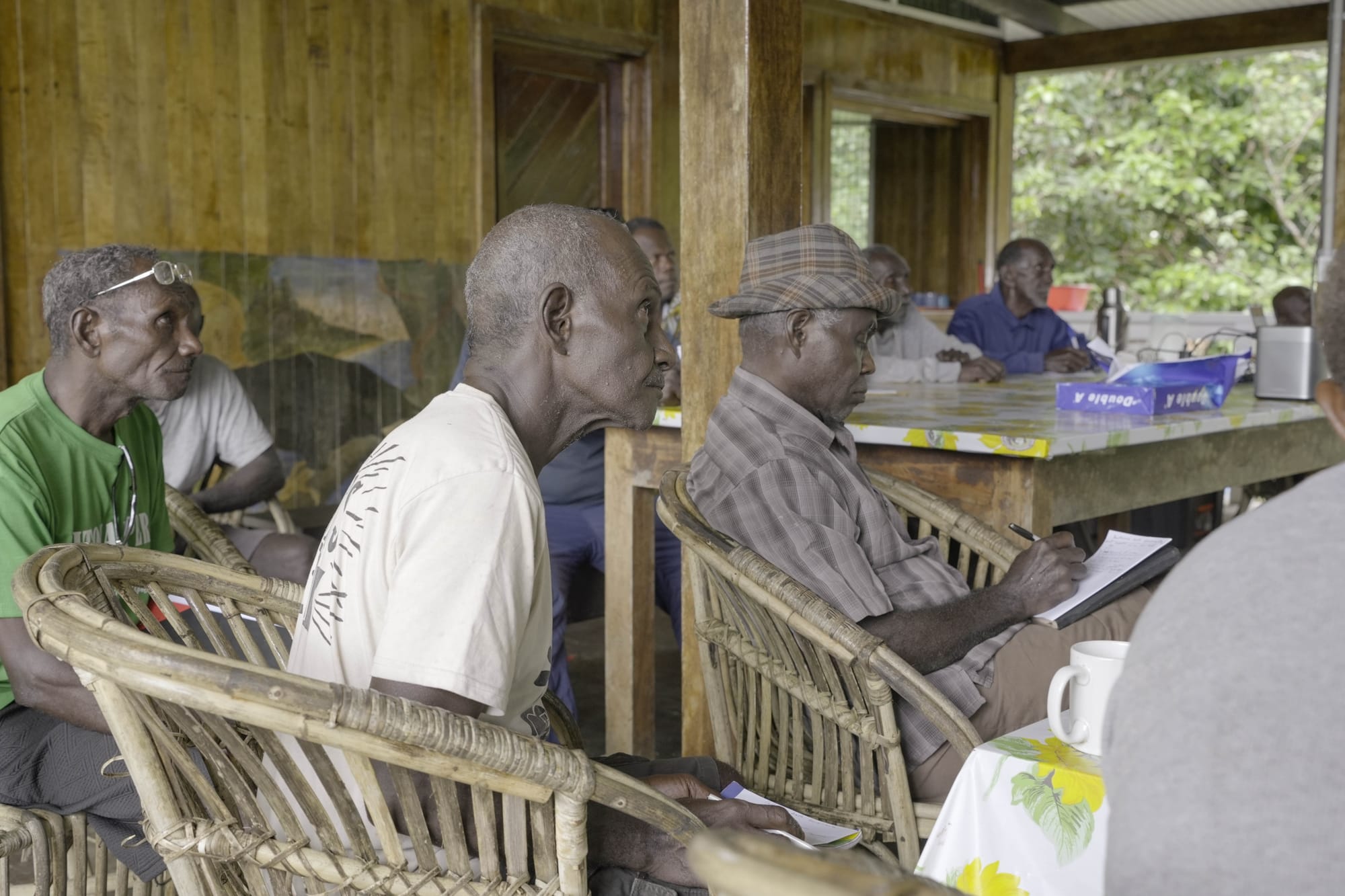
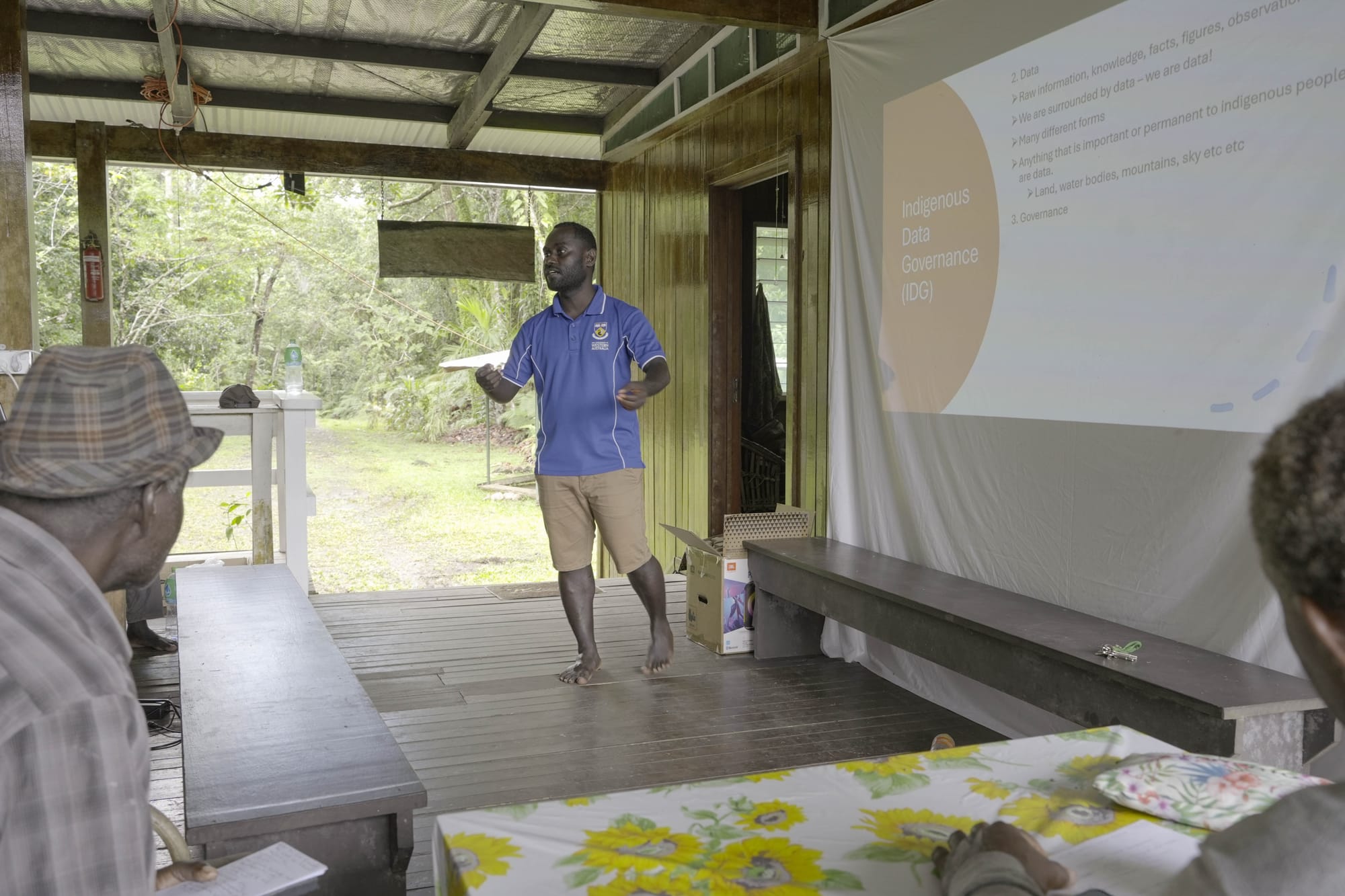
IKI’s REMOTO Lead Gumese Puisasa facilitates discussions on Indigenous Data Governance. IKI/Daniel Kakadi
The workshop concluded with a call made for clearer community protocols on data access, permission, collection, storage, and sharing. And that in all stages of dealing with indigenous data, the rights of people must be upheld.
Mr. Puisasa said the Tok Stori was only the beginning of a longer conversation on strengthening community-led conservation initiatives.
“We came here to listen and learn how people have managed knowledge, information and governance from before. Then we can look at how those systems can guide the way we work with data today,” he said.
For the participants, the message from the four-day gathering was clear: when knowledge and information come from the people and their land, the people must have a meaningful say in how that information is collected, protected, stored and used.
ENDS
Islands Knowledge Institute (IKI) Comms