CIF Students Immerse in Are'are Culture Through SOIL Living Labs in East Are'are
Takataka Eco-Village Conservation Centre, Nima Education, East Are'are, Malaita – June 2026
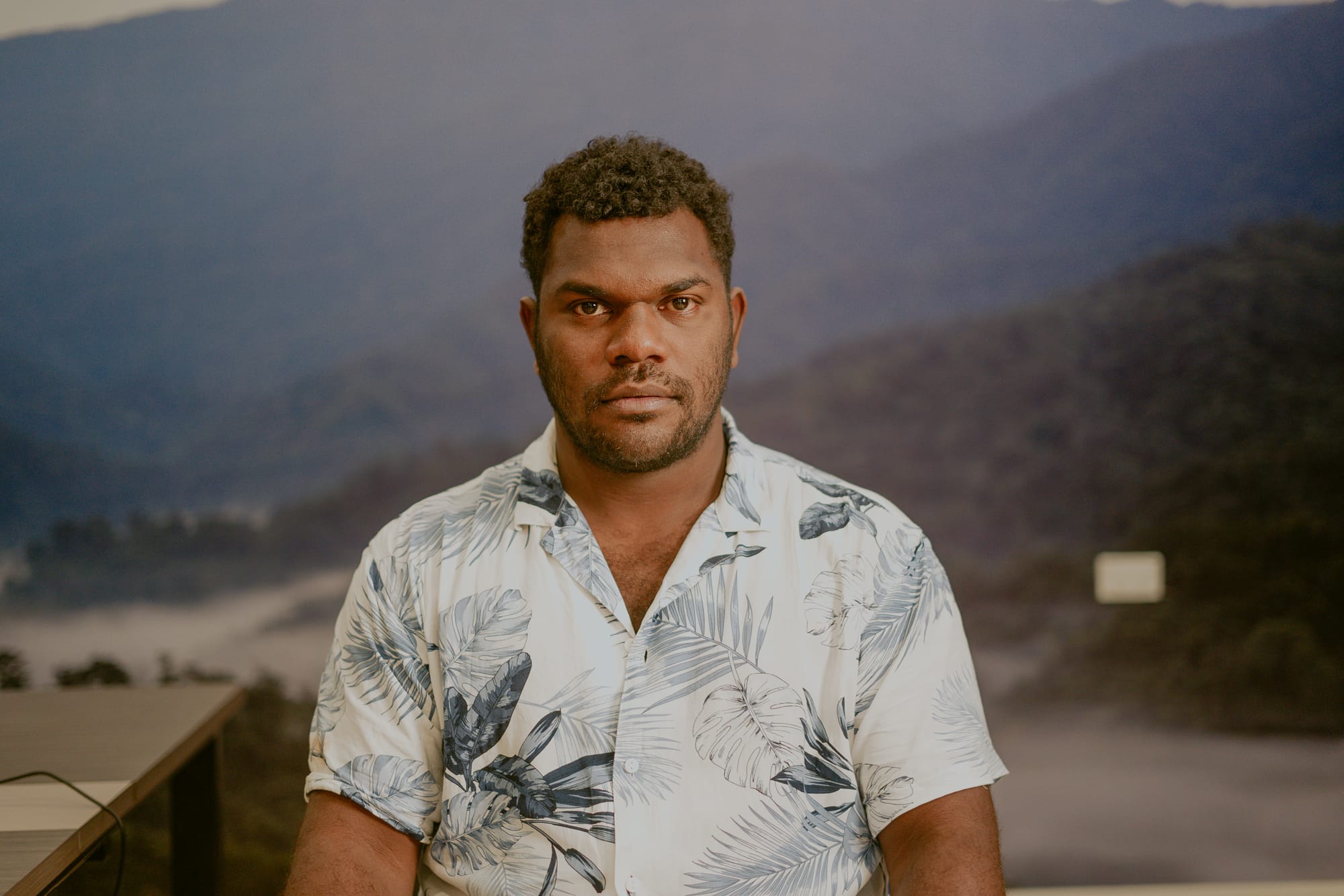
Seven students, together with a tutor and a lecturer from the Centre for Islands Futures (CIF) at Solomon Islands National University (SINU), have completed an immersive field trip in East Are'are as part of the Solutions Ontological Immersed Learning (SOIL), also known as Living Labs.
Held from 4–8 June, the week-long programme forms part of the Postgraduate Diploma in Islands, Knowledges and Futures. It marks the first cohort of students participating in CIF's place-based learning approach. The SOIL model embeds students within rural communities to learn directly from elders, environmental custodians, and cultural leaders, placing indigenous knowledge at the center of higher education.
Hosted at Takataka Eco-Village Conservation Centre and supported through the partnership between CIF and Nima Education, the students were immersed in the culture, history, governance, and ecology of Are'are.
Leading the field team was Adjunct Fellow of the Centre for Islands Futures, Dr. Phil Tagini, who highlighted the importance of partnerships with indigenous initiatives such as Nima Education and community-based conservation areas.
Dr. Tagini said such partnerships are central to the Centre for Islands Futures' vision, enabling students to reconnect with their roots and develop a deeper understanding of themselves and their identities.
"Working alongside indigenous initiatives such as Nima Education allows us to better understand ourselves. Becoming more aware of who we are and where we come from is empowering and is central to shaping the future of our islands," Dr. Tagini said.
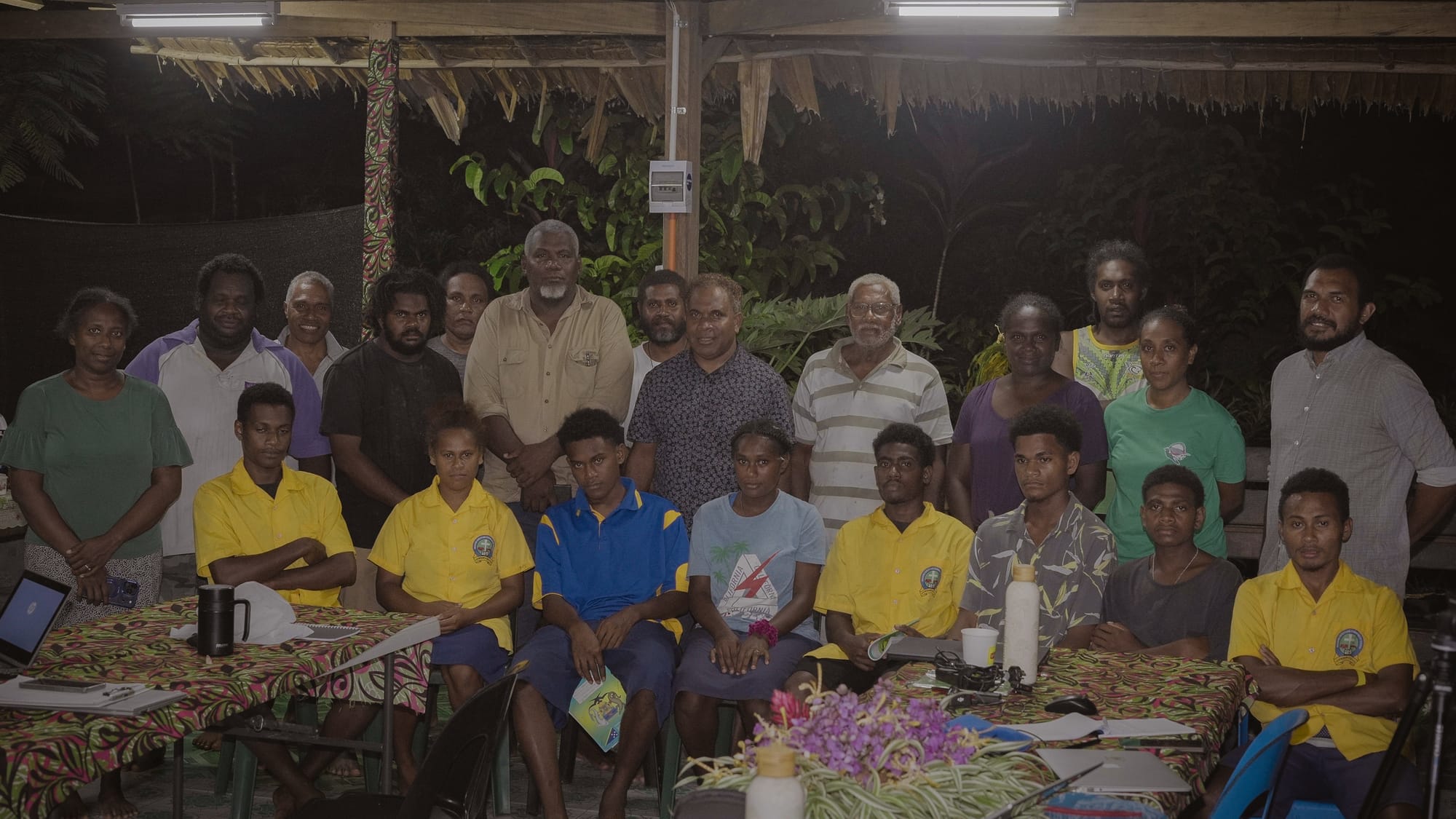
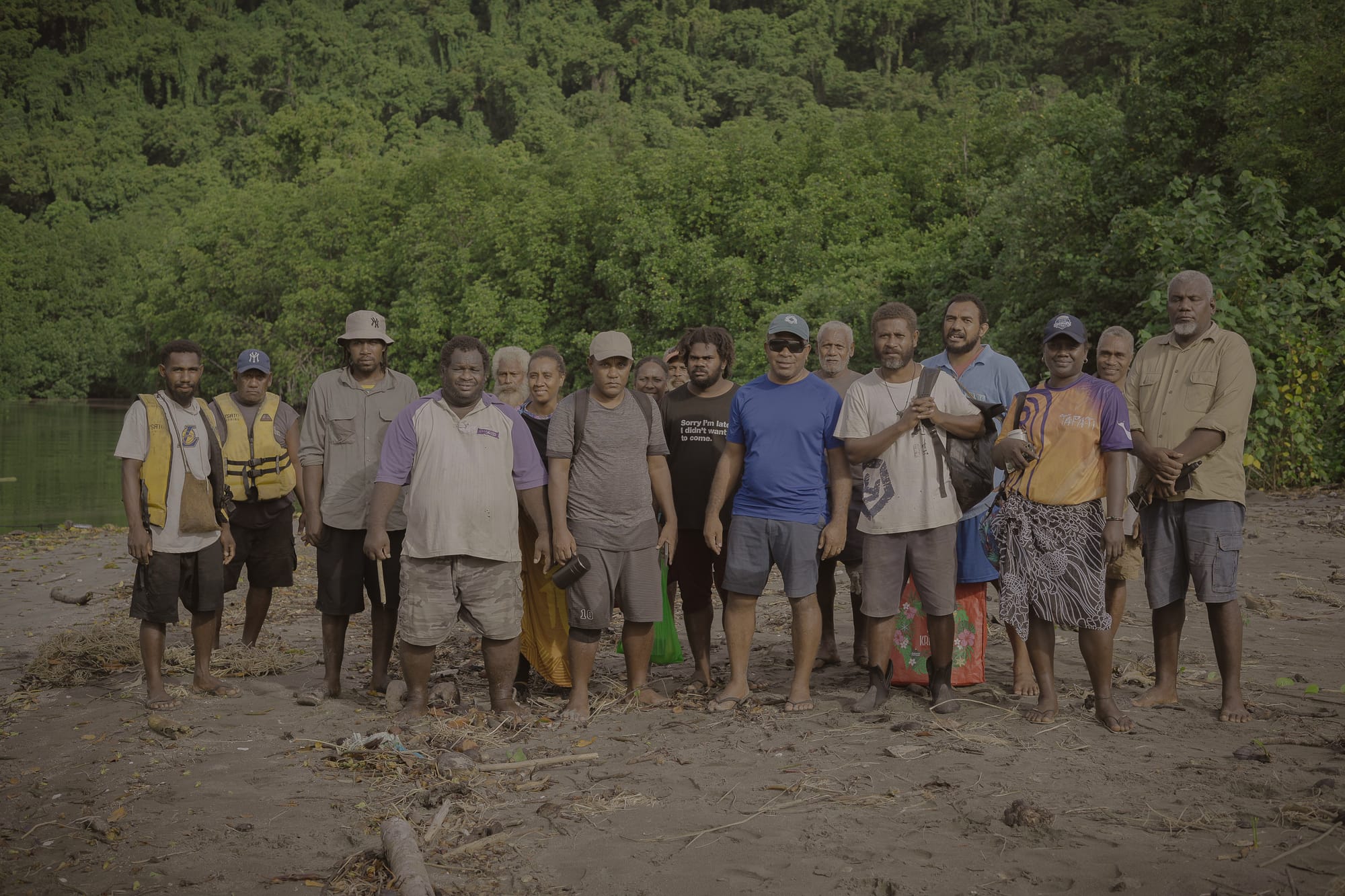
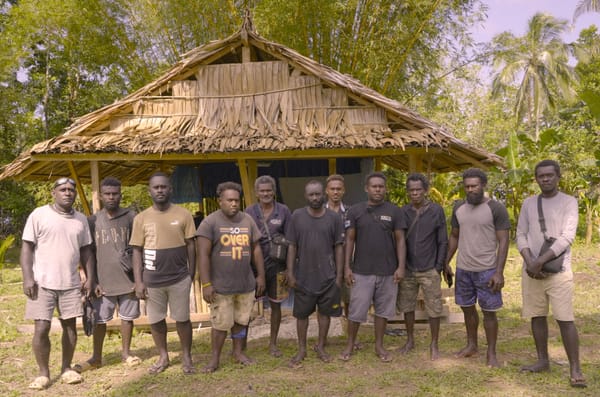
Group photo of students from Masupa Community High School and the Centre for Island Futures (CIF) following presentations with community elders, the CIF Team Leader, a Nima Education tutor, and a CIF tutor. Photo: IKI / Jovi Totorea
Learning from Are'are Governance and Ecology
The first day focused on understanding traditional Are'are governance and leadership systems. On the second day, students visited the Kira Protected Area, where they experienced the primary forest ecology and learned about local conservation practices.
On the third day, the group visited the Aru'aru archaeological site and explored evidence of early human settlement in Are'are. Community knowledge holders explained that some remains discovered at the site are believed to date back thousands of years.
Reflecting on the experience, one CIF student said:
" This evidence helps us, as students, understand that our people have existed on this island long before others arrived, and that we have been living here for thousands of years, surviving through the knowledge passed down and learned from our environment."
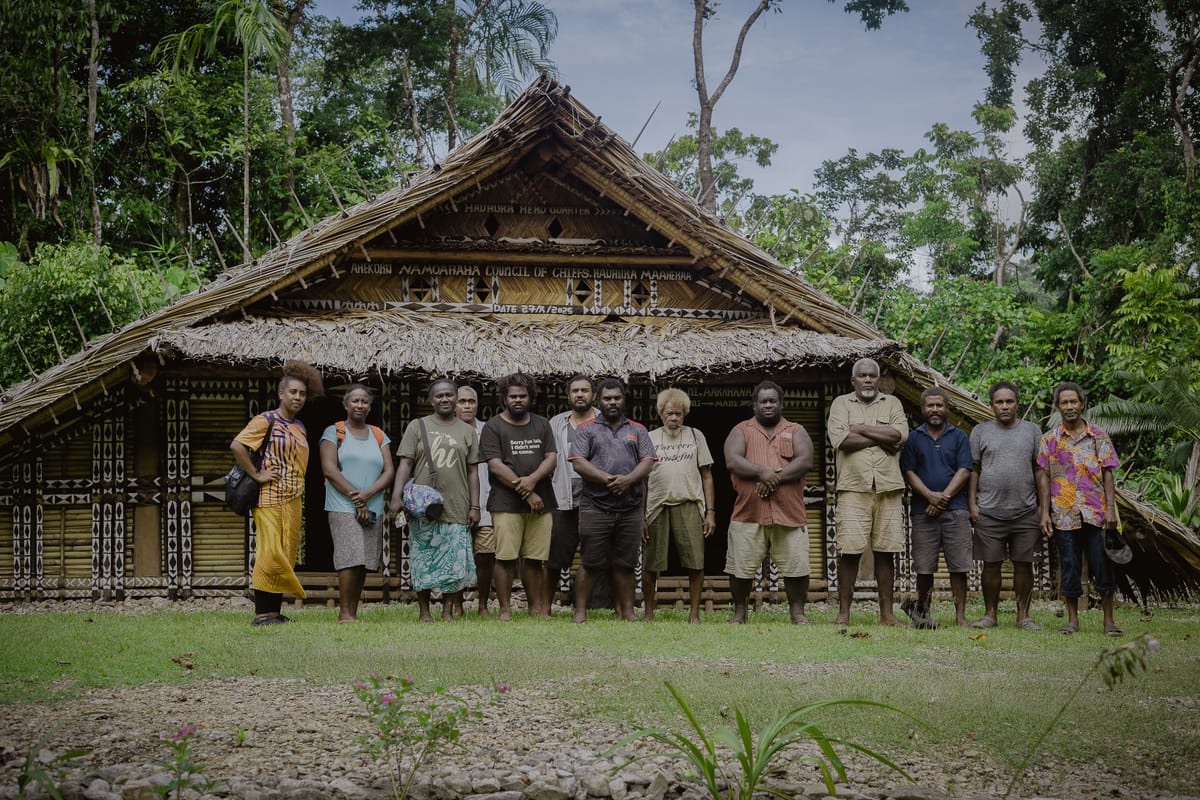
On the fourth day, students visited Namoaraha Nima (House), where they met with Are'are chiefs in their Kastom House.
During the exchange, Chief Houaisuta shared insights into the traditional governance structures of Are'are, emphasizing that the system is fundamentally human-centred and grounded in the relationships among people, tribes, and land.
"The governing structures in Are'are are about people. There is no such thing as waste land because every piece of land is connected to people and their tribes," Chief Houaisuta said.
He also stressed the importance of recognising the role of the Aaraha (Chiefs) and the traditional governance systems that have sustained communities for generations.
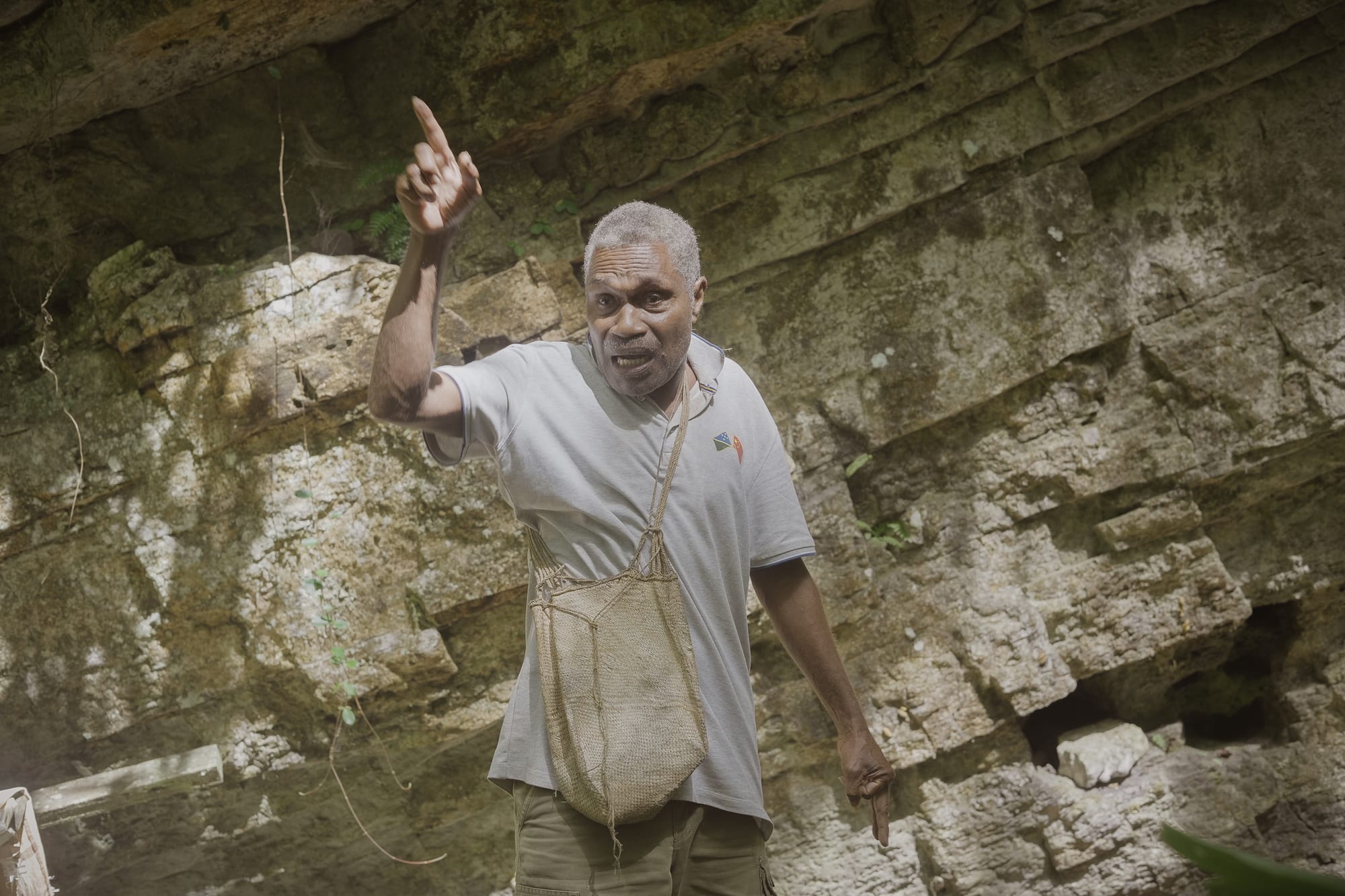
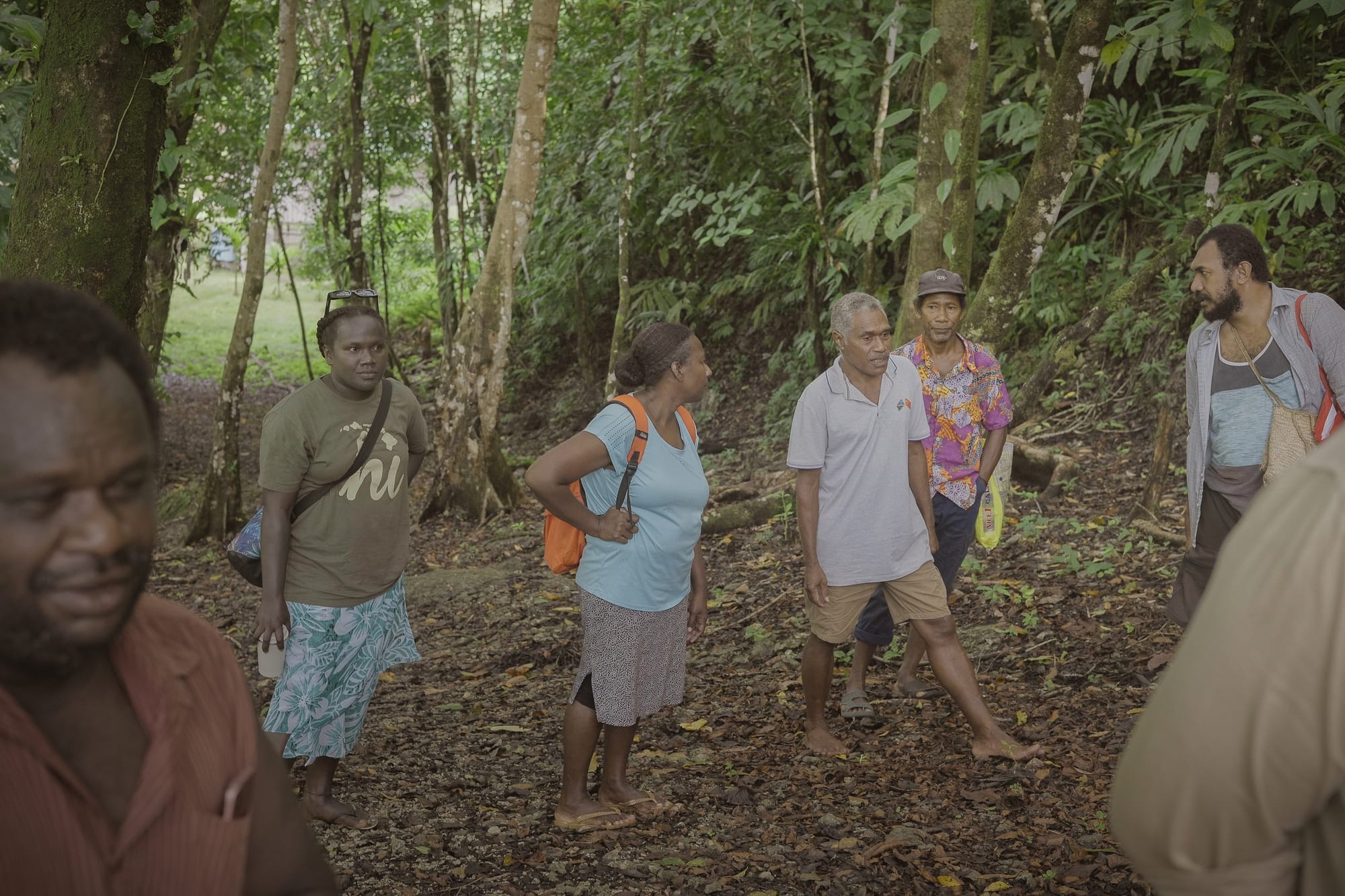
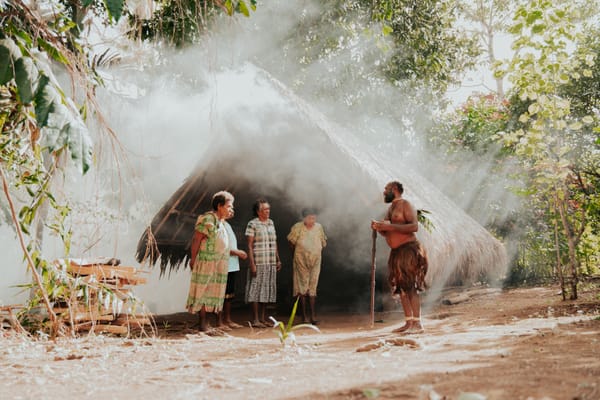
Chief Houaisuta of Nima Education shares his knowledge with students during the field trip. Photo: IKI / Jovi Totorea
Learning Through Tok Stori
Following each field visit, students conducted presentations and Tok Stori sessions to reflect on the knowledge gained. These discussions form part of their assessments and provide opportunities for collective learning and knowledge sharing among the cohort.
Students noted that the immersive experience has strengthened their confidence, leadership skills, understanding of good governance, and community engagement.
One student shared:
"More than seventy percent of Solomon Islanders live in villages. To immerse ourselves in communities, to see and feel life firsthand, helps us understand and articulate solutions from experience."
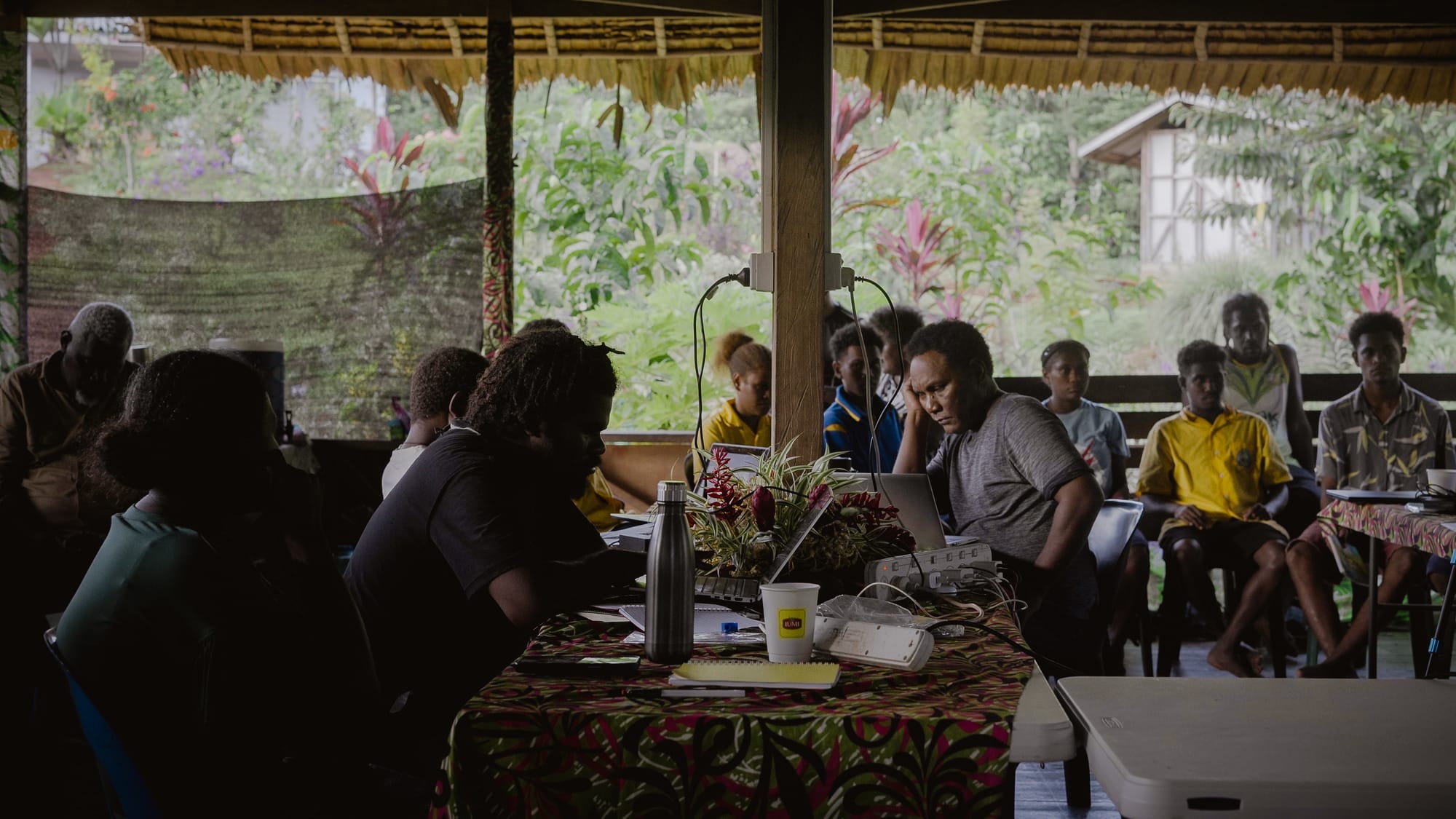
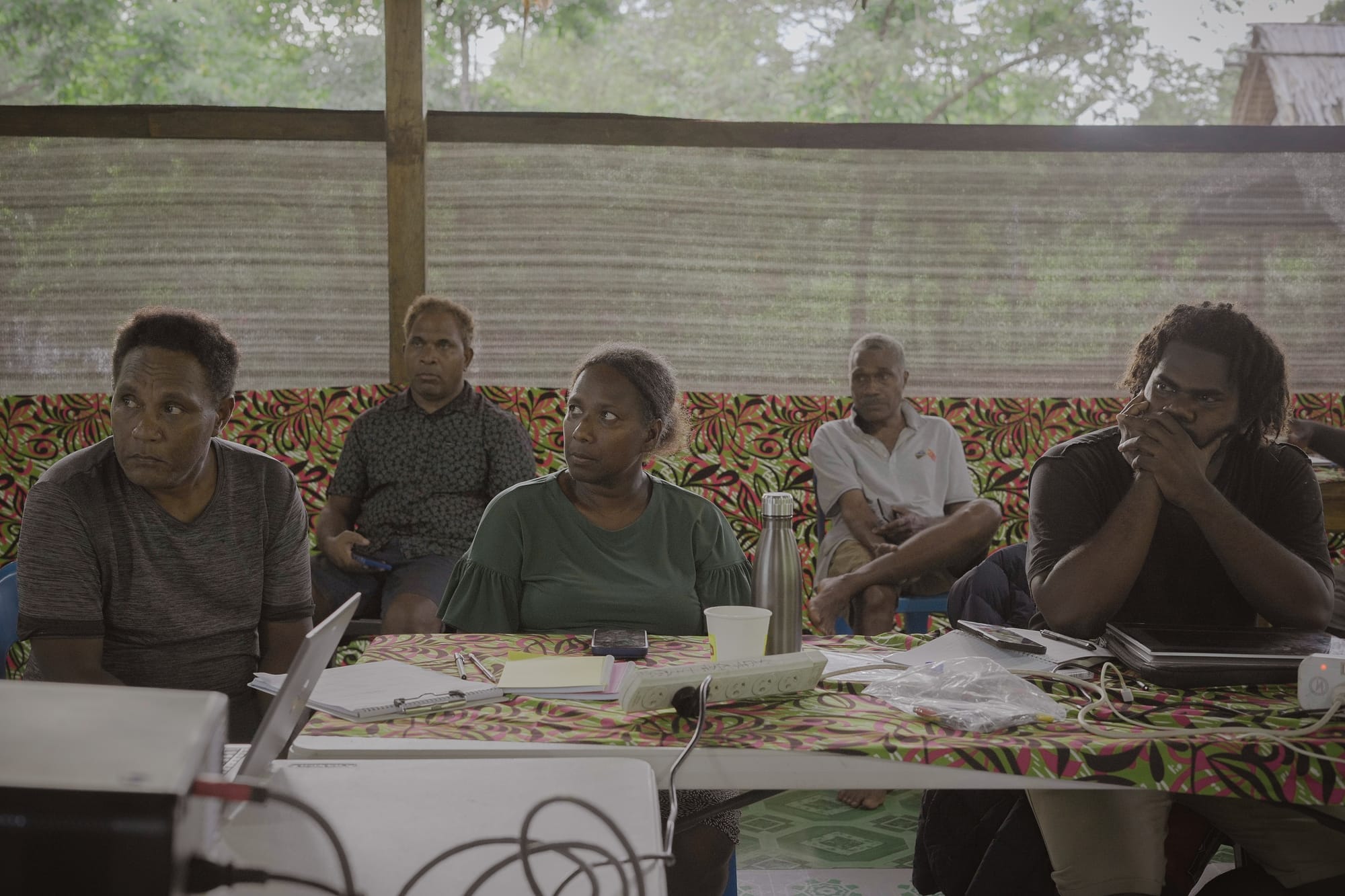
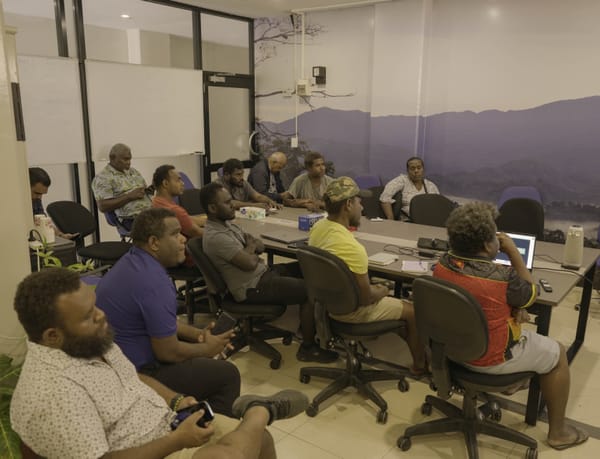
Centre for Island Futures (CIF) students engage in a tok stori session with community elders and students from Masupa Community High School. Photo: IKI / Jovi Totorea
Partnership Recognised
Mr. Andrew Taraha expressed his appreciation that Takataka was selected as one of CIF's Living Lab sites.
"We are pleased that students are here to immerse themselves in Are'are culture and to learn lessons that are important for our country. These students are the leaders of today and tomorrow, and they need to be fully equipped," he said.
Mr. Taraha also highlighted the fruitful partnership between the Centre for Islands Futures and Nima Education and expressed hope that more students from SINU would visit East Are'are in the future.
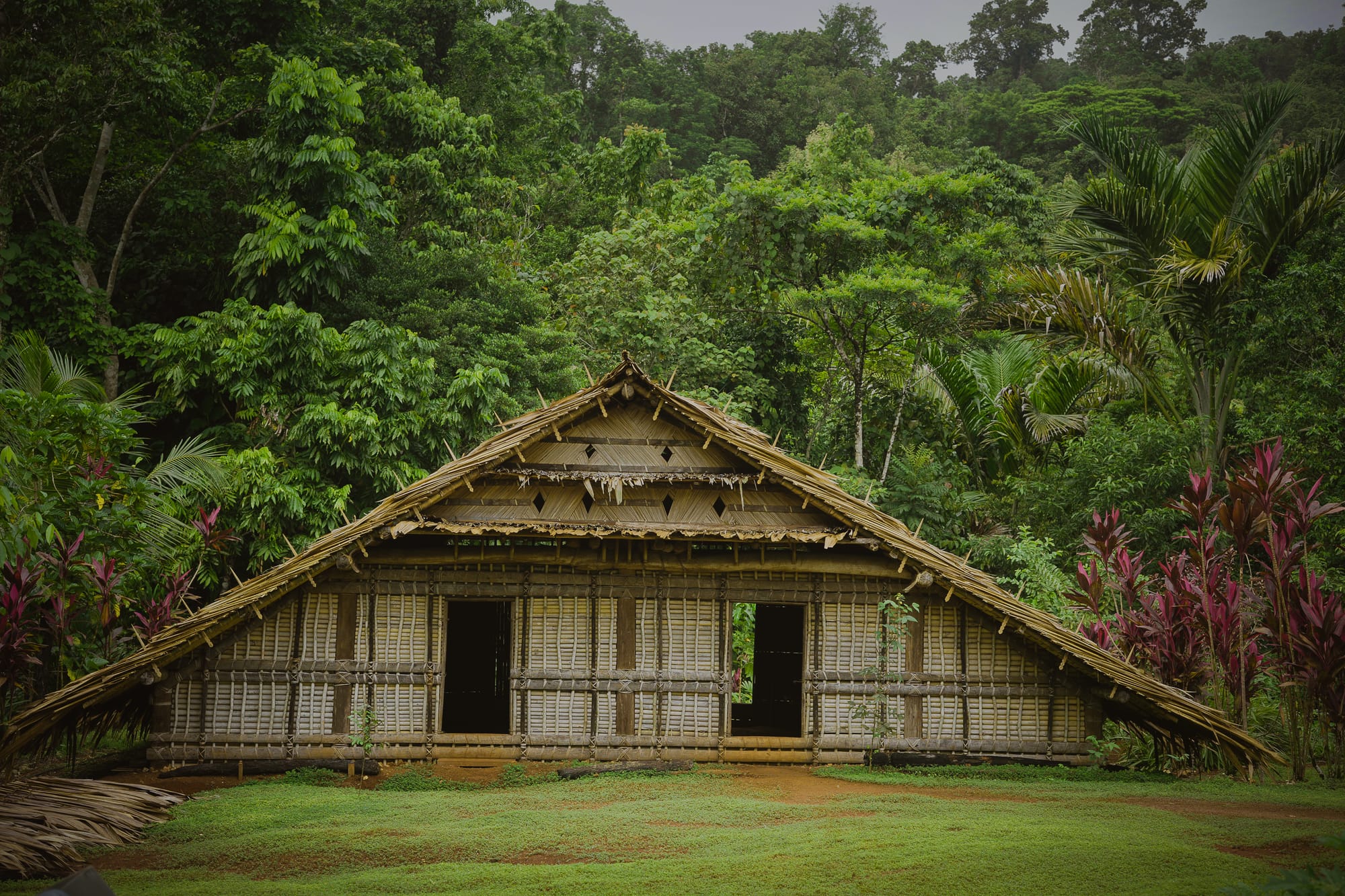
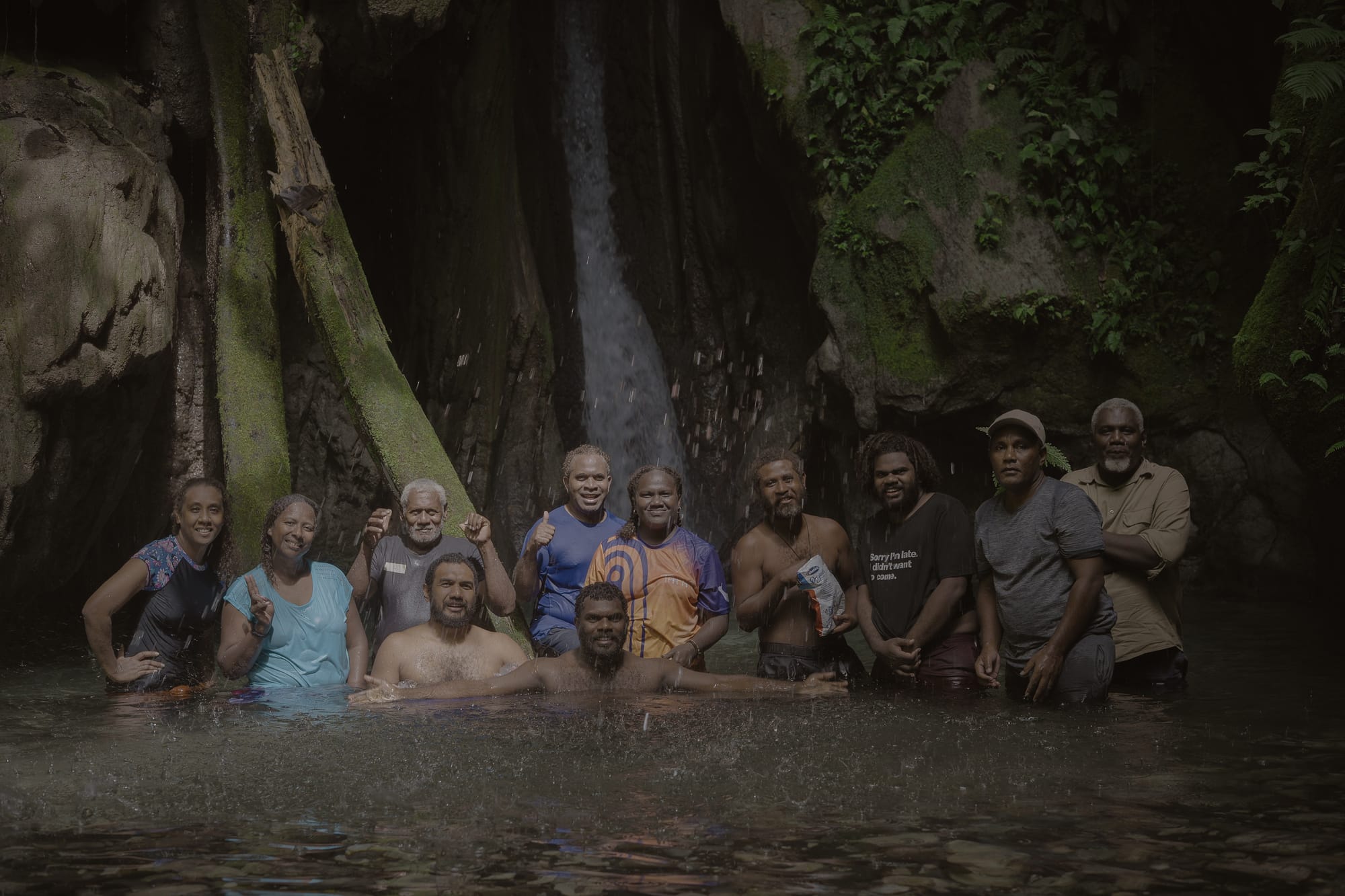
Nima Education is derived from “Nima,” the Are’are term for the traditional house. Students immerse themselves in the Kira Protected as part of the Nima Education site-based learning experience. Photo: IKI / Jovi Totorea
Gratitude to the Community
CIF tutor Mr. Brian Leafasia acknowledged the people of Masupa Community and Takataka Conservation for their warm hospitality and for the exchange of knowledge throughout the programme.
"We are grateful for the generosity shown by the community and for the opportunity to learn together through this unique educational experience," Mr. Leafasia said.
The immersion experience has provided students with valuable perspectives on indigenous leadership and reinforced the importance of customary institutions in promoting good governance, stewardship and community well-being. Through these Living Labs, students are gaining first-hand knowledge that will equip them to become future leaders capable of addressing national challenges from both indigenous and contemporary perspectives.
Following the completion of the East Are'are immersion, students will undertake a second field trip to Olotsara Retreat Centre next week as part of two units offered during this semester.
The Centre for Islands Futures is also preparing to launch its Flexi-Learning Programme in July 2026, expanding opportunities for more learners to engage with island-based knowledge systems and practical solutions for the future.
ENDS
About the Islands Knowledge Institute (IKI)
The Islands Knowledge Institute (IKI) is a Solomon Islands charitable trust dedicated to strengthening indigenous governance, advancing place-based stewardship, and fostering education systems that honour and integrate indigenous knowledge for sustainable island futures.