Why Indigenous Knowledge Belongs on the Global Stage
Dr. Morgan Wairiu's Role in Advancing Island Knowledge Institute's Vision
As the world searches for solutions to climate change and biodiversity loss, one message is becoming increasingly clear: the future cannot be built on science alone. Indigenous knowledge, accumulated through generations of living in harmony with nature, is now recognised as an essential part of building resilient communities and sustainable ecosystems.
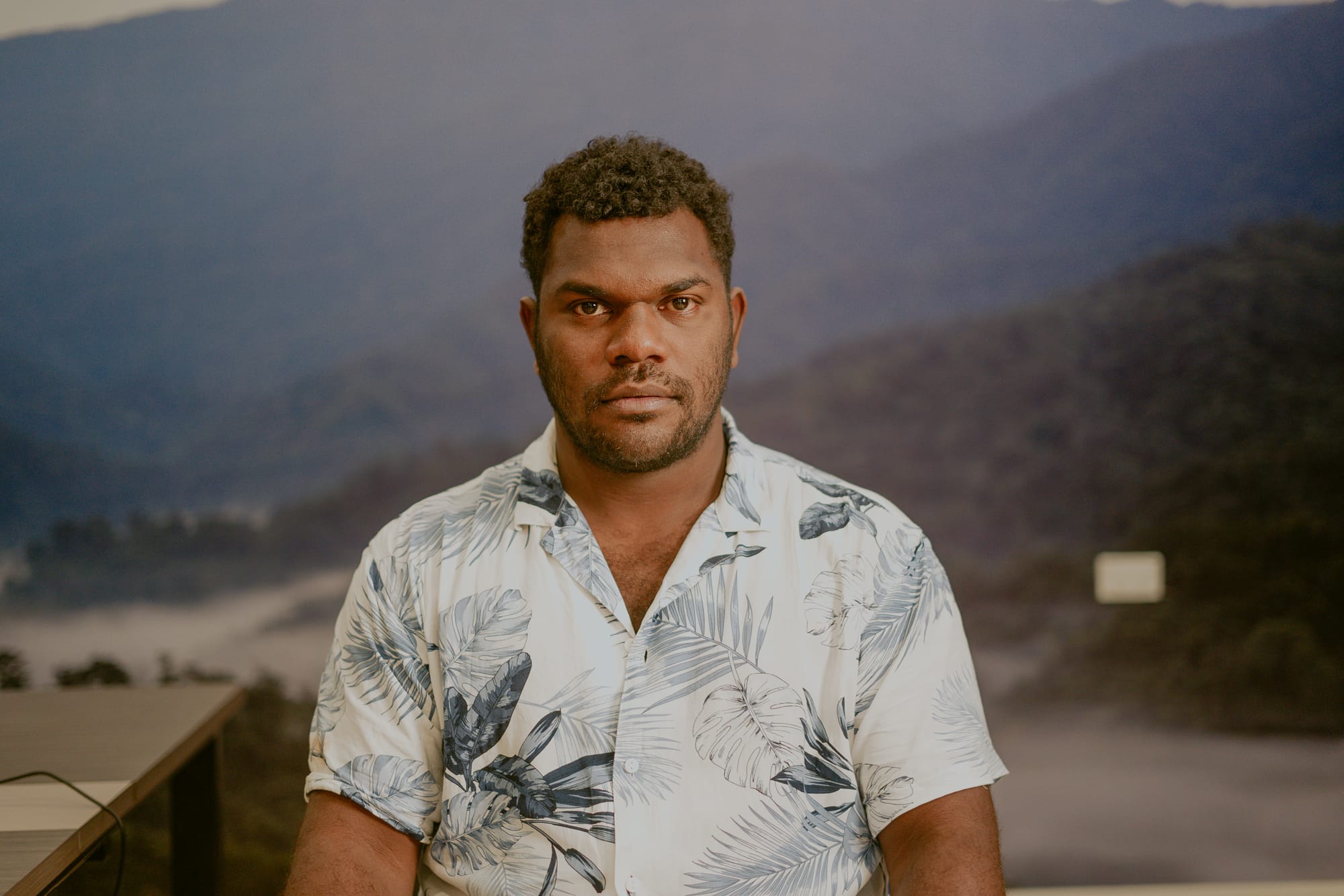
This is why the participation of Dr. Morgan Wairiu, co-founder of the Island Knowledge Institute (IKI), in the international dialogue "The Ocean Opportunity: Strengthening Blue Climate Action from UNOC3 to COP31" is more than just an individual achievement; it represents an important step in bringing Pacific Indigenous knowledge into global conversations about climate action and ocean governance.
For decades, Dr. Wairiu has dedicated his career to understanding the relationship between people and the environment. As one of the Pacific's leading climate scientists, an IPCC Lead Author, environmental researcher, and educator, his work has consistently demonstrated that effective climate solutions emerge when scientific knowledge is combined with the wisdom and lived experience of Indigenous communities.
This philosophy also lies at the heart of the Island Knowledge Institute.
Why the Island Knowledge Institute Exists
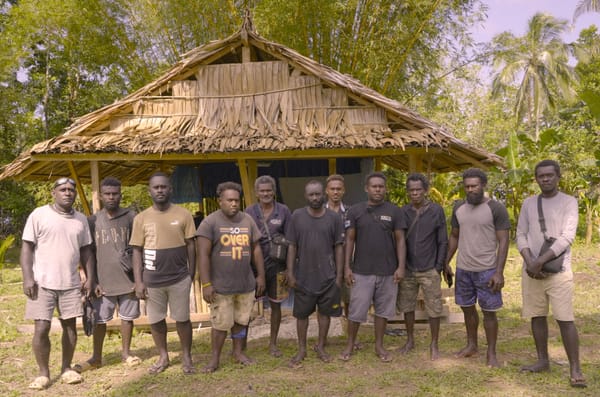
The Island Knowledge Institute was founded on the belief that Indigenous knowledge is not simply a record of the past; it is a living knowledge system that continues to guide communities in managing their lands, oceans, forests, cultures, and livelihoods.
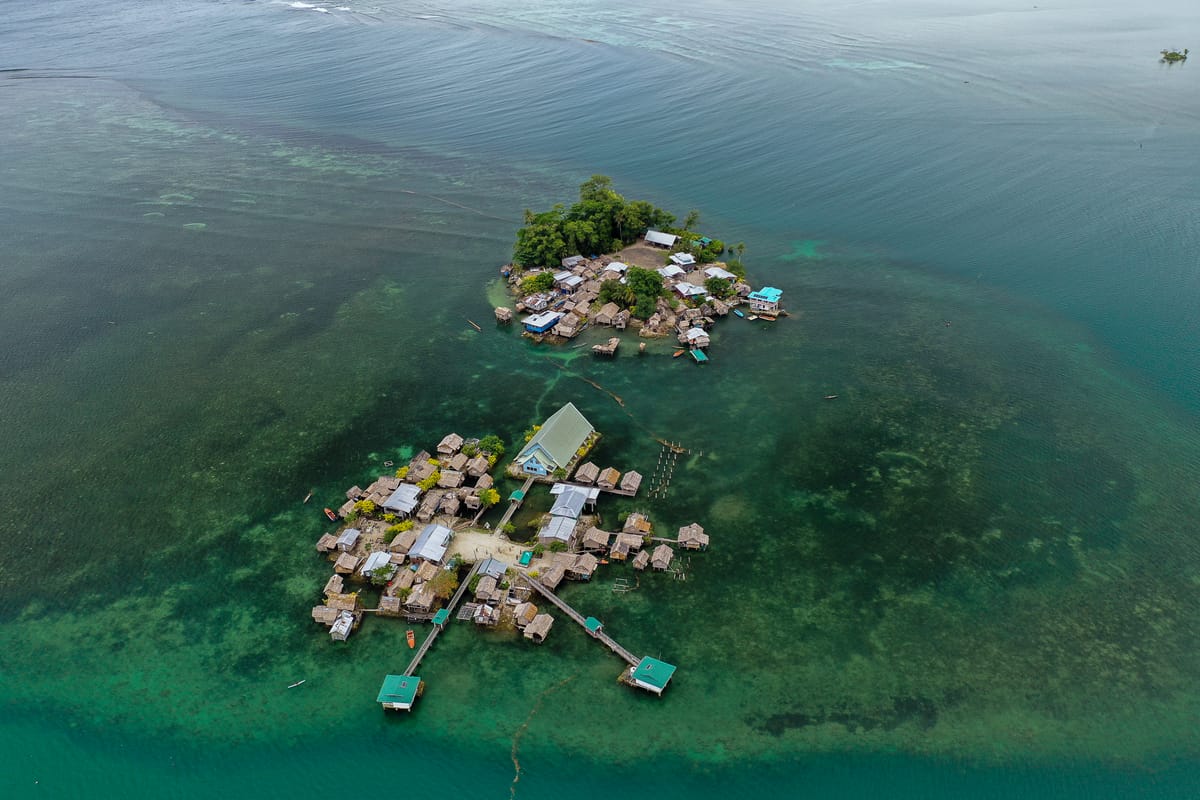
Across the Solomon Islands and the Pacific, generations of communities have developed sophisticated systems of governance, environmental stewardship, navigation, food security, conflict resolution, and resource management. Much of this knowledge remains undocumented or is at risk of disappearing as elders pass away and societies modernise.
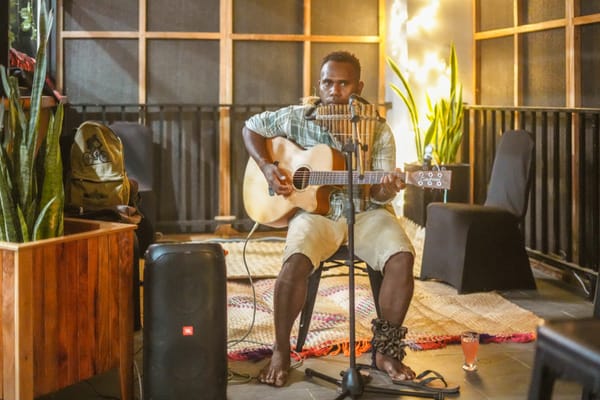
IKI exists to ensure that this knowledge is recognised, documented, strengthened, and shared, not as museum pieces, but as practical knowledge that can help address today's environmental and social challenges.
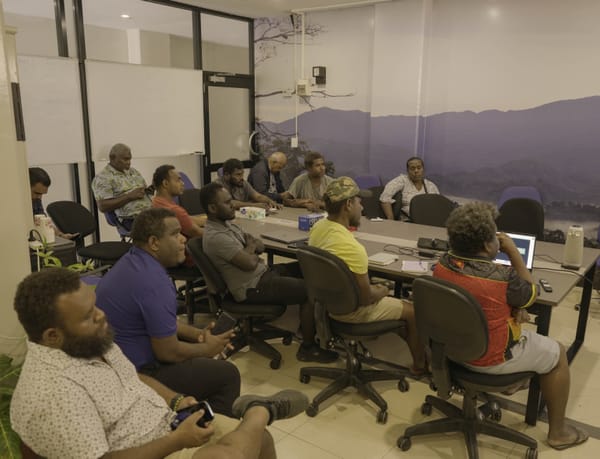
The Institute works alongside communities, researchers, traditional leaders, educators, and young people to bridge Indigenous knowledge with contemporary science, policy, education, and innovation. Rather than replacing one knowledge system with another, IKI believes both can complement each other to create more effective and locally relevant solutions.
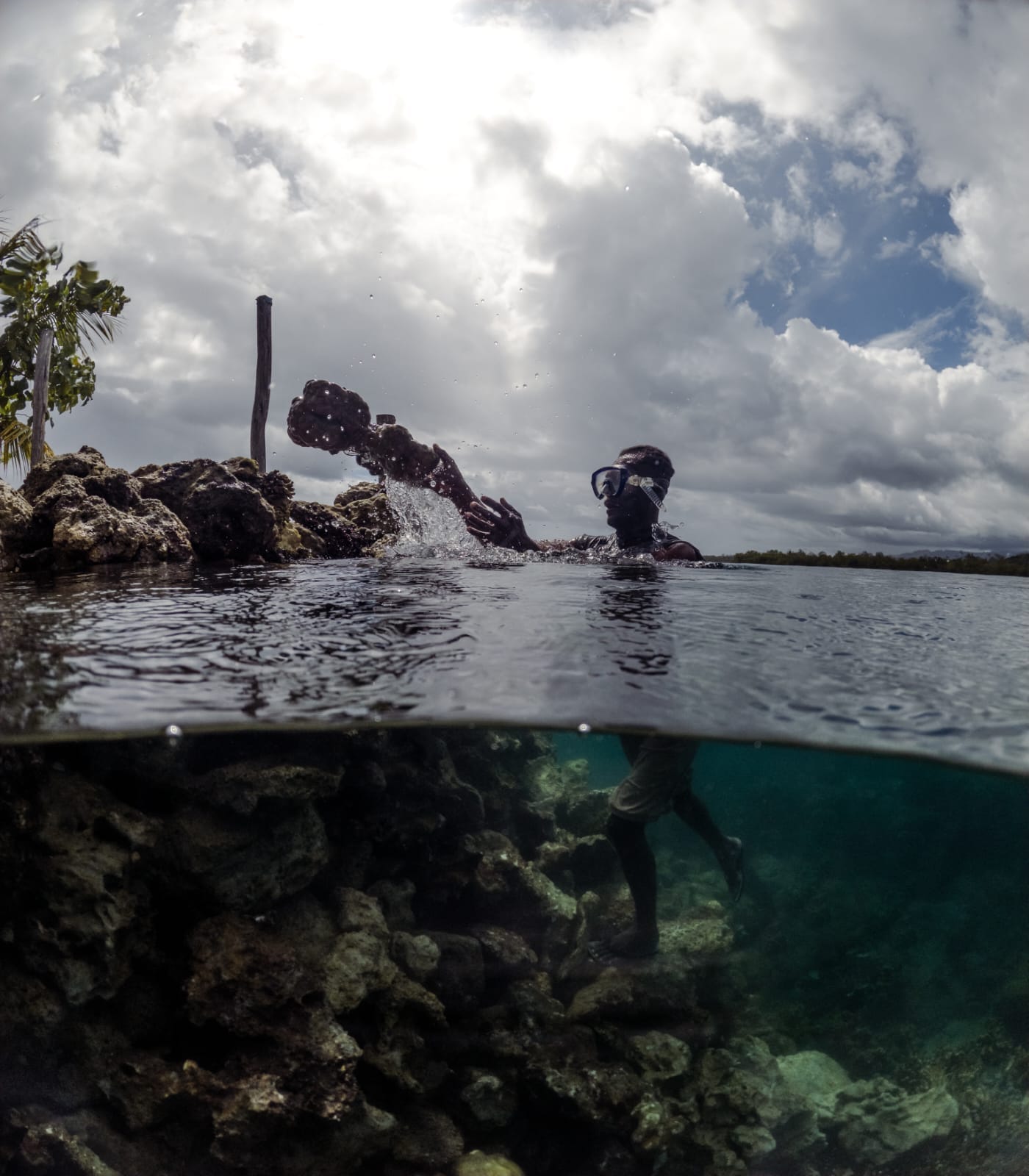
A Langalanga community member reinforces an artificial island by placing coral stones, continuing an Indigenous engineering tradition that has sustained these reef settlements for generations. Photo: IKIA / Junior Pikacha
Why Global Platforms Matter
International forums on climate change and ocean governance often shape the policies, funding priorities, and partnerships that influence communities around the world. Historically, these discussions have been dominated by scientific and political perspectives, while Indigenous voices have often been underrepresented.
This is gradually changing.
Global institutions now increasingly acknowledge that Indigenous Peoples are not merely stakeholders but knowledge holders whose experience is critical to addressing climate change, biodiversity conservation, and sustainable development.
When Dr. Morgan Wairiu participates in these international dialogues, he is not only contributing his scientific expertise. He is also helping ensure that the knowledge systems of Pacific Island communities are represented alongside scientific evidence.
For IKI, representation on these platforms creates opportunities to:
- Share successful Indigenous approaches to environmental management from the Solomon Islands.
- Build partnerships with organisations working on climate resilience and sustainable development.
- Ensure that Pacific perspectives influence international policies and research agendas.
- Advocate for greater recognition and protection of Indigenous knowledge systems.
- Connect indigenous and local communities with global initiatives that support conservation, education, and cultural resilience.
From Indigenous and Local Knowledge to Global Impact
One of IKI's guiding principles is that global challenges require indigenous and locally grounded solutions.
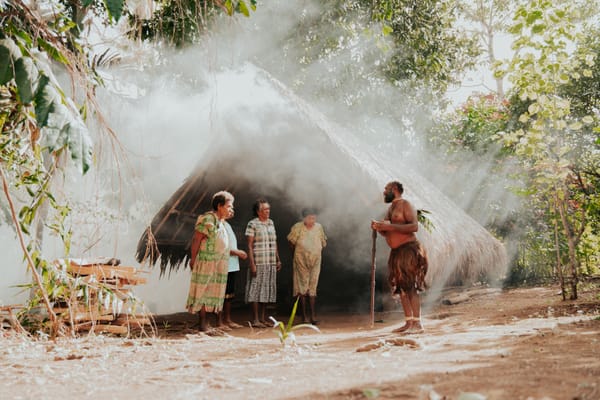
Communities across the Solomon Islands have managed forests, reefs, fisheries, freshwater systems, and customary lands for centuries using knowledge passed down through generations. These practices contain valuable lessons for sustainable resource management, particularly as climate change places increasing pressure on island ecosystems.
By documenting, revitalising, and promoting these knowledge systems, IKI seeks to demonstrate that Indigenous knowledge is not an alternative to science; it is a partner to science.
This approach reflects Dr. Wairiu's own career, in which he has consistently worked to bridge Indigenous wisdom, environmental science, and climate policy. His participation in international forums helps strengthen this bridge, ensuring that the experiences of Pacific communities contribute meaningfully to global discussions.
Looking Forward
As climate challenges continue to intensify, the role of organisations like the Island Knowledge Institute becomes increasingly important. The future of sustainable development in the Pacific depends not only on technological innovation but also on respecting and strengthening the knowledge that has enabled island communities to thrive for generations.
Dr. Morgan Wairiu's participation in The Ocean Opportunity: Strengthening Blue Climate Action from UNOC3 to COP31 reflects this vision. It demonstrates that Indigenous knowledge from the Solomon Islands has an important place in shaping international conversations about climate resilience, ocean governance, and sustainable futures.
For IKI, this is more than representation. It is part of a long-term commitment to ensuring that Indigenous voices, community knowledge, and Pacific perspectives continue to inform global action for generations to come.
Read more about the "Ocean Opportunity: Strengthening Blue Climate Action from UNOC3 to COP31" event on the AFRAN website