Kolombangara Youth Traditional Exchange Program
Hosted by Kolombangara Island Biodiversity Conservation Association (KIBCA)

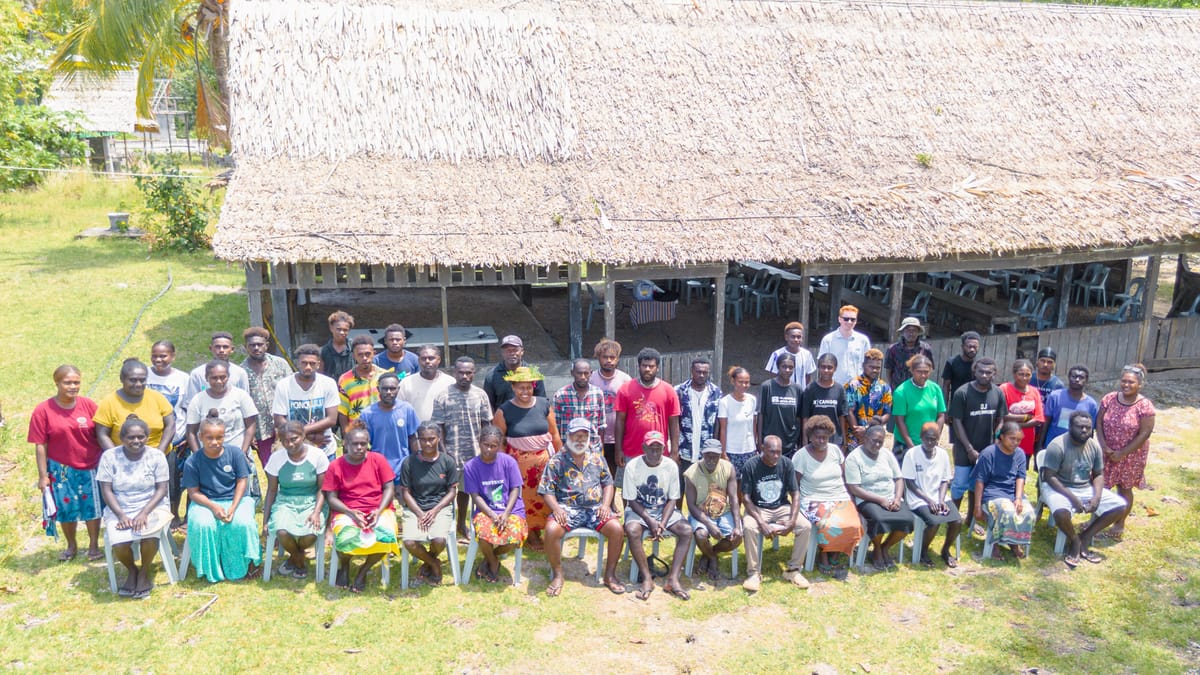
On 23rd Feb 2026, Kolombangara Island Biodiversity Conservation Association (KIBCA) successfully hosted the first Kolombangara Youth Traditional Exchange Program at Hunda Village, bringing together elders and youths from Nusamahiri to Jack Harbor Village on Kolombangara Island to strengthen cultural knowledge and conservation stewardship.
The program focused on passing down traditional knowledge, custom stories, and practices to younger generations, bridging conservation efforts with cultural stewardship on Kolombangara Island. It provided a unique opportunity for intergenerational learning, ensuring that valuable indigenous knowledge continues to guide sustainable resource management.
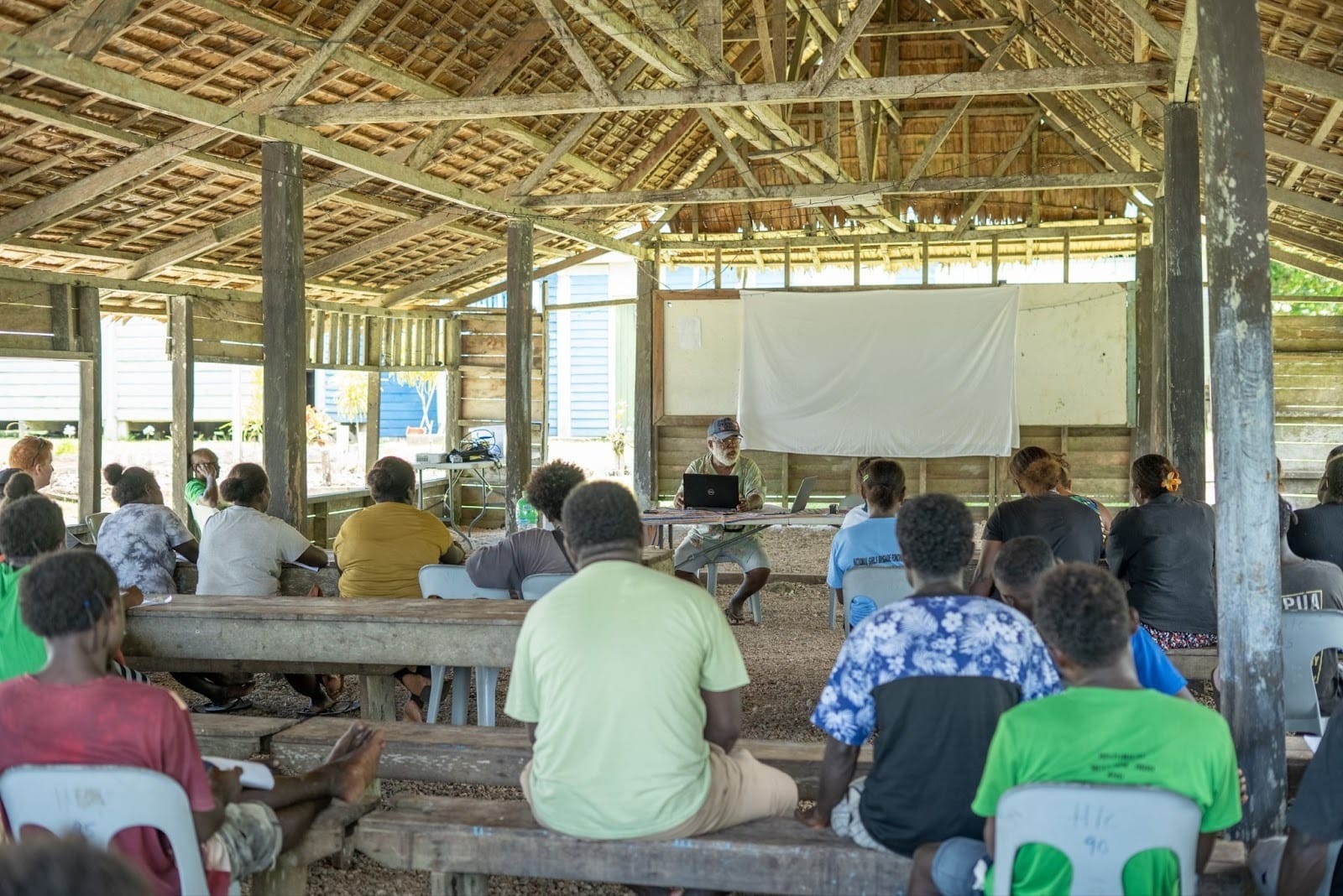
Youth Participant Learning from one of the village elder
Youth Participants engaged in interactive sessions covering:
- Linking Traditional Knowledge with Conservation and Climate Resilience
- Traditional Crafts and Traditional Food Preparation
- Traditional Gardening and Water Use Practices
- Kolombangara Cultural Values
- Traditional Plant Naming
- Custom stories and song Chants
- Cultural Genealogy and History
The program was facilitated by five respected Elders of the Epaga Tribe, who shared their knowledge, experiences, and cultural wisdom with youths representing communities from Tanhuka to Jack Harbour.
Through storytelling, demonstrations, and practical activities, the elders emphasized the importance of maintaining cultural identity while strengthening conservation practices in the face of climate change and environmental challenges.
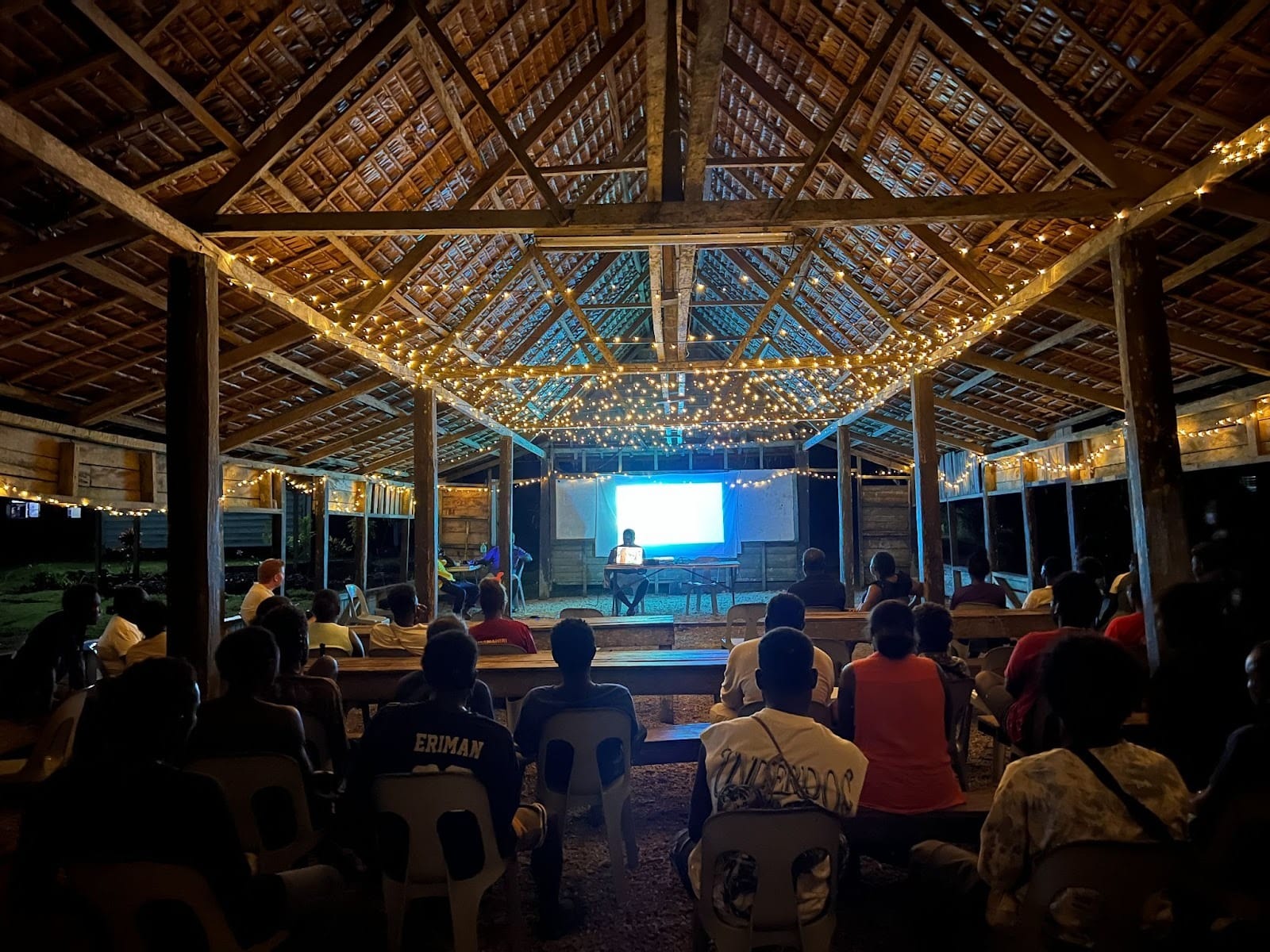
Youths participate and learn from village elders survival skill of the Island and Listening to custom stories of Kolobangara Island
Many of the participating youths expressed deep appreciation to KIBCA for organizing the initiative. For most of them, it was their first time engaging in such a cultural exchange program, describing it as an eye-opening experience that deepened their understanding of their heritage, traditions, and responsibilities as future custodians of Kolombangara Island.
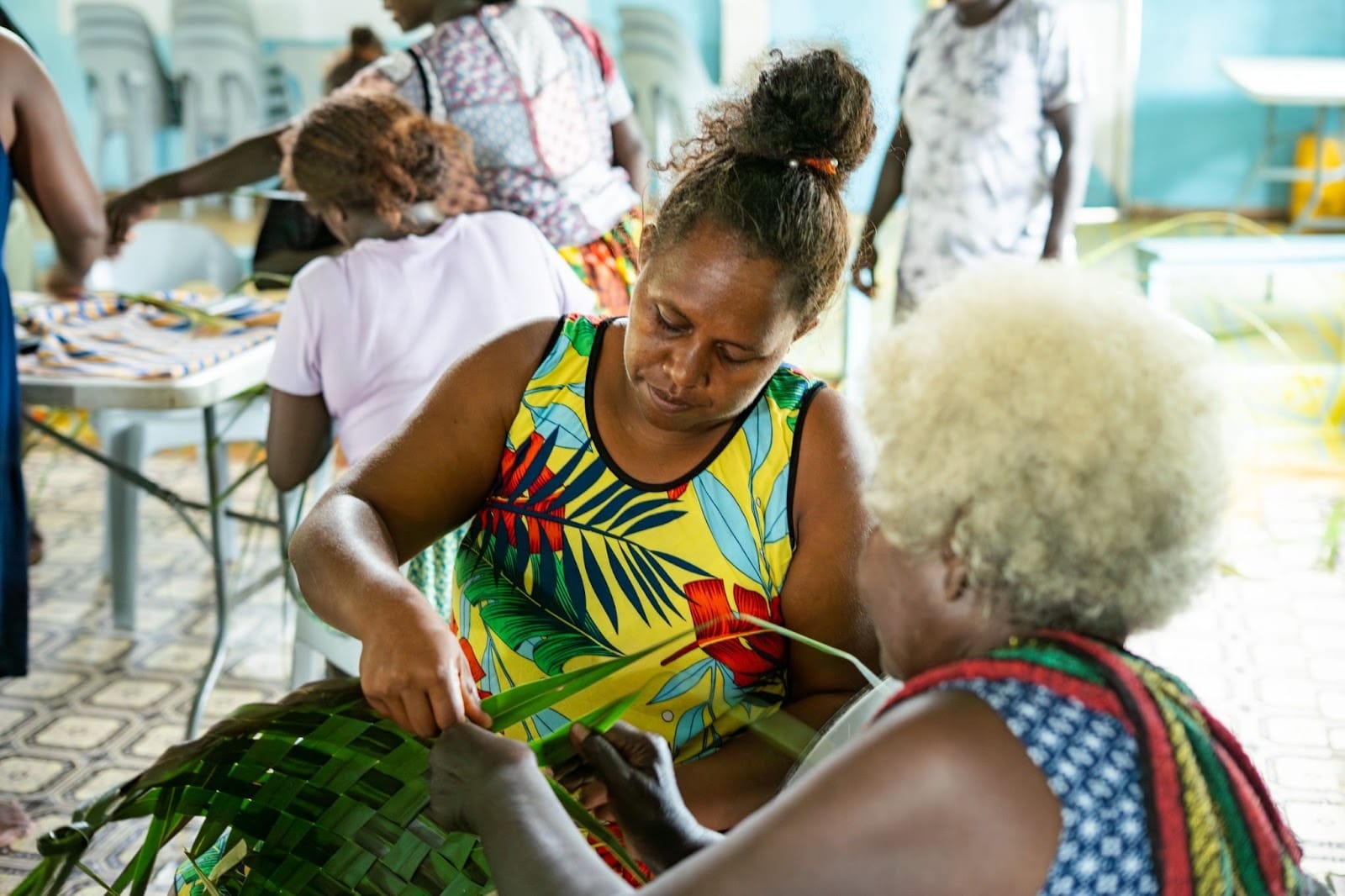
Youths participate and learn from village elders survival skill of the Island and Listening to custom stories of Kolobangara Island
KIBCA plans to extend the program in its second phase, expanding outreach to youths in North Kolombangara and continuing down to Vao in the south. This expansion aims to ensure that traditional knowledge is shared widely across the island, strengthening unity and cultural continuity.
KIBCA sincerely acknowledges the generous support of Islands Knowledge Institute (IKI) for funding the program, and Wildlife Conservation Society – Munda for their continued support and collaboration.